








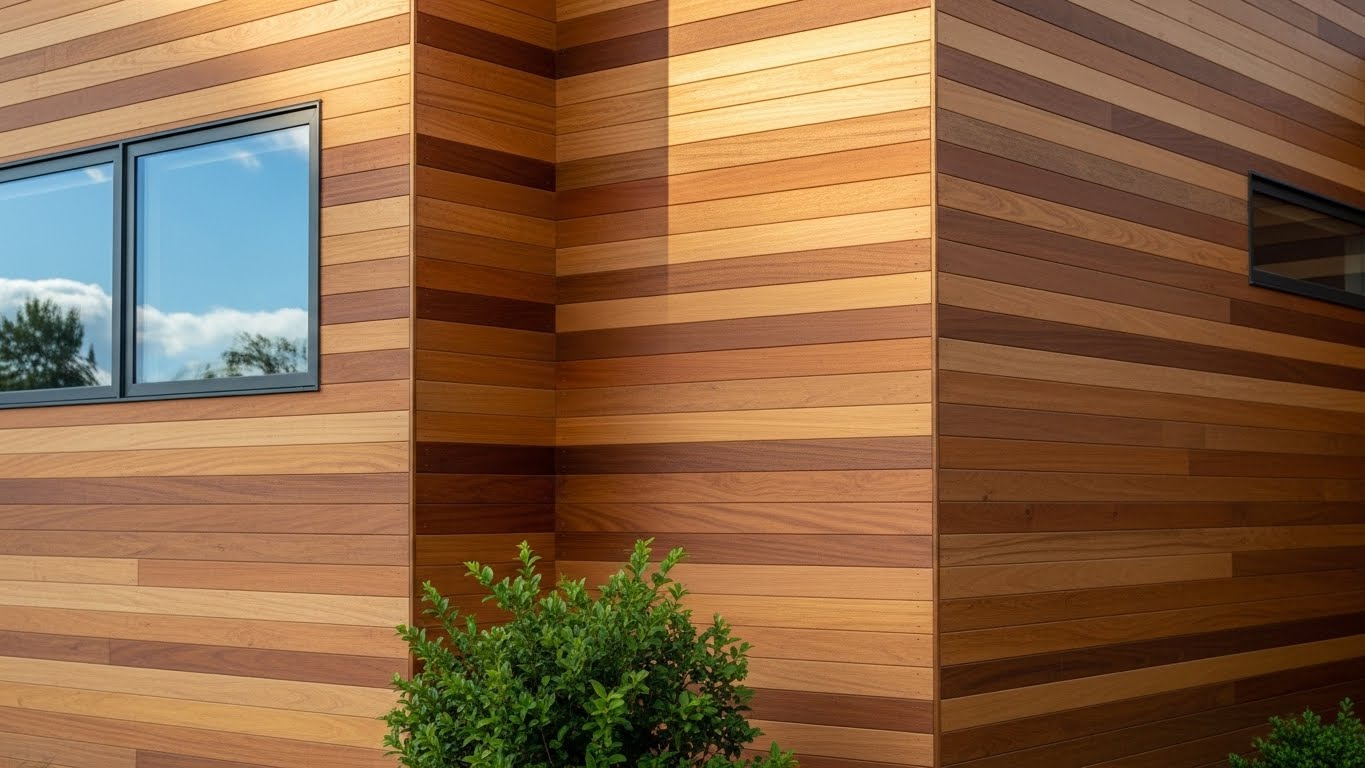
Wood siding has long been recognized as one of the most elegant and versatile exterior materials for homes. Its natural texture, warmth, and timeless appearance provide a unique aesthetic that few other materials can replicate. Beyond its visual charm, wood siding offers structural benefits and can contribute to energy efficiency when properly installed. For homeowners seeking a combination of beauty, durability, and customization, wood siding remains an attractive choice that adds significant value to a property.
While modern alternatives like vinyl, fiber cement, and metal siding have grown in popularity due to low maintenance, they often lack the organic appeal and authentic character of wood. Each plank, board, or shake brings a distinct texture and pattern, creating an exterior that feels alive and welcoming. Wood siding’s ability to be painted or stained in a variety of colors also allows homeowners to tailor the appearance of their home to match personal tastes, architectural styles, or changing design trends.
Different Types of Wood Siding
Understanding the different types of wood siding is essential for homeowners considering it as an exterior material. Each type offers unique benefits in aesthetics, durability, and maintenance requirements.
Clapboard or Lap Siding
Clapboard, or lap siding, consists of long, narrow wooden boards installed horizontally with overlapping edges. This traditional style has been a staple of classic architecture for centuries and is particularly effective at shedding water while providing a clean, linear look. Cedar and pine are commonly used for clapboard siding, offering natural resistance to insects and decay when properly maintained. Homeowners can stain or paint clapboard siding, allowing it to complement both historical and contemporary homes.
Shiplap Siding
Shiplap siding features boards with interlocking edges that create a tight seal against moisture while providing a smooth and distinctive appearance. Originally employed in barns and coastal homes, shiplap has gained popularity for both exterior and interior design due to its clean lines and versatile style. Proper installation ensures durability and prevents gaps where water or pests might penetrate.
Board-and-Batten Siding
Board-and-batten siding alternates wide boards with narrow vertical strips called battens, producing a textured, layered look. This style works exceptionally well with farmhouse or cottage designs, adding height and visual interest to a home’s façade. Board-and-batten siding is also practical, as its vertical orientation promotes water runoff, reducing the risk of moisture-related damage.
Cedar Shakes and Shingles
Cedar shakes and shingles are made from cedar logs and provide a natural, rustic texture. Shakes are hand-split, giving a rougher and more traditional appearance, while shingles are machine-cut for uniformity. Cedar naturally resists rot and insects, and over time, the wood ages gracefully, developing a silvery-gray patina that enhances its charm. Regular maintenance, including sealing and staining, ensures that cedar shakes and shingles retain their durability and aesthetic appeal.
Engineered or Composite Wood Siding
Engineered wood siding combines natural wood fibers with resin and other binders, resulting in a product that mimics the appearance of real wood while offering enhanced resistance to moisture, rot, and insect damage. This type of siding provides a lower-maintenance alternative to natural wood and is particularly suited for climates with high humidity or frequent rainfall.
Benefits of Wood Siding
Wood siding offers a combination of practical and aesthetic advantages, making it a worthwhile investment for homeowners.
Natural Beauty and Customization
The visual appeal of wood siding is unmatched. Its texture, grain, and color variations create a warm and inviting exterior. Homeowners can choose from a wide range of stains or paints, allowing for complete customization to suit personal tastes or complement the home’s architectural style. Unlike synthetic materials, wood offers a richness and depth that adds character to a property.
Durability and Longevity
When properly installed and maintained, wood siding can last for decades. Naturally durable species such as cedar and redwood resist insect damage and decay. Engineered wood options extend longevity by offering enhanced protection against moisture and weather extremes. Regular inspections, sealing, and refinishing help ensure the siding remains strong and attractive over time.
Energy Efficiency
Wood siding is a natural insulator. Its cellular structure slows the transfer of heat, helping regulate indoor temperatures and potentially reducing heating and cooling costs. Combined with modern insulation techniques and proper installation, wood siding can contribute to a more energy-efficient home.
Environmental Sustainability
Wood siding is an environmentally friendly choice, particularly when sourced from sustainably managed forests. Unlike synthetic materials, wood is biodegradable and can be recycled or repurposed at the end of its life. Certifications such as the Forest Stewardship Council (FSC) indicate that wood siding is harvested responsibly, minimizing ecological impact.
Increased Property Value
Homes featuring high-quality wood siding often enjoy higher resale values. The combination of aesthetic appeal, durability, and sustainable sourcing makes wood siding attractive to potential buyers. Its ability to blend seamlessly with both traditional and modern designs ensures lasting desirability.
Maintenance of Wood Siding
Despite its numerous advantages, wood siding requires regular care to maintain its appearance and protect it from the elements.
Cleaning
Regular cleaning is essential to remove dirt, mold, mildew, and algae. Mild detergents and soft brushes or low-pressure washing techniques prevent damage while keeping the siding fresh and vibrant.
Painting and Staining
Applying paint or stain protects the wood from UV damage, moisture, and rot. Stains penetrate the wood to highlight natural grain patterns, whereas paint provides a solid barrier against environmental wear. Both should be refreshed periodically to maintain protection.
Sealing
Sealing the wood further protects against water infiltration, which is particularly important in areas exposed to heavy rainfall or high humidity. Quality sealants prevent warping, cracking, and decay, extending the life of the siding.
Inspection and Repairs
Routine inspections help identify small issues such as splits, cracks, or insect activity before they escalate into major problems. Prompt repairs, including replacing damaged boards or treating affected areas, ensure the siding remains structurally sound and visually appealing.
Pest Control
Wood siding may attract termites or other insects. Using treated wood, monitoring for signs of infestation, and implementing preventive measures are key steps to protect the investment.
Installation Considerations
Professional installation significantly affects the performance and longevity of wood siding. Proper alignment, sealing, and ventilation prevent moisture accumulation and potential structural issues. Key considerations include:
- Substrate Preparation: Ensuring the underlying surface is clean, dry, and structurally sound is crucial.
- Moisture Barriers: Using house wraps and vapor barriers improves water resistance and energy efficiency.
- Fasteners and Hardware: Corrosion-resistant nails or screws prevent staining and maintain the integrity of the siding.
- Allowance for Expansion and Contraction: Wood naturally expands and contracts with temperature and humidity changes. Proper spacing between boards accommodates these movements without causing warping or splitting.
Professional installation ensures that the siding performs optimally for decades, maximizing both aesthetic appeal and functional benefits.
Comparing Wood Siding to Other Materials
While alternatives like vinyl, fiber cement, and aluminum offer lower maintenance and resistance to certain elements, they often lack the warmth and character that wood siding provides. Vinyl may fade or crack over time, fiber cement is heavy and may require specialized tools for installation, and aluminum can dent easily. Wood siding, while requiring more upkeep, provides unmatched natural beauty, design flexibility, and environmental benefits that many homeowners find worthwhile.
Conclusion: Investing in Timeless Beauty and Functionality
Wood siding remains a premier choice for homeowners seeking an exterior material that combines elegance, durability, and sustainability. Its natural beauty, customizable finishes, and structural benefits ensure that homes not only look striking but also remain protected against the elements. While maintenance and careful installation are required, the long-term rewards of wood siding including increased property value, energy efficiency, and timeless appeal far outweigh the effort. For those who appreciate a balance of aesthetic charm and practical functionality, wood siding is a wise investment that enhances both the home and the quality of life within it.
By choosing quality materials, hiring professional installers, and committing to proper care, homeowners can enjoy decades of enduring beauty and protection with wood siding, making it a lasting and valuable addition to any home.