








A swimming pool is a major asset to any property, offering relaxation, recreation, and visual appeal. However, maintaining a pool in proper condition requires consistent care, and over time, problems can arise that impact functionality, safety, and water quality. Whether the issues involve leaks, cracks, malfunctioning equipment, or worn-out surfaces, timely pool repair is essential for preserving the integrity of the pool and ensuring a safe environment for swimmers. Understanding the common signs of damage, the repair process, and the long-term importance of preventative maintenance empowers pool owners to protect their investment and enjoy it for many years.
Recognizing the Need for Pool Repair
Early detection is one of the most effective ways to prevent costly complications. Pools may develop a range of issues over time due to wear, environmental factors, or improper maintenance. Some signs are obvious, such as cracked tiles or malfunctioning pumps, while others are less noticeable, like slow leaks or silent equipment failures. Recognizing these indicators early allows pool owners to address problems before they escalate into major structural or mechanical concerns.
Changes in water levels, even minor ones, may signal a leak. Unusual algae growth, despite regular chemical treatments, may suggest filtration issues. Noisy pumps, cloudy water, cracks in the plaster, or water stains around the pool deck are also clear warnings. Promptly scheduling pool repair can prevent further deterioration and restore normal operation.
Common Structural Issues in Pools
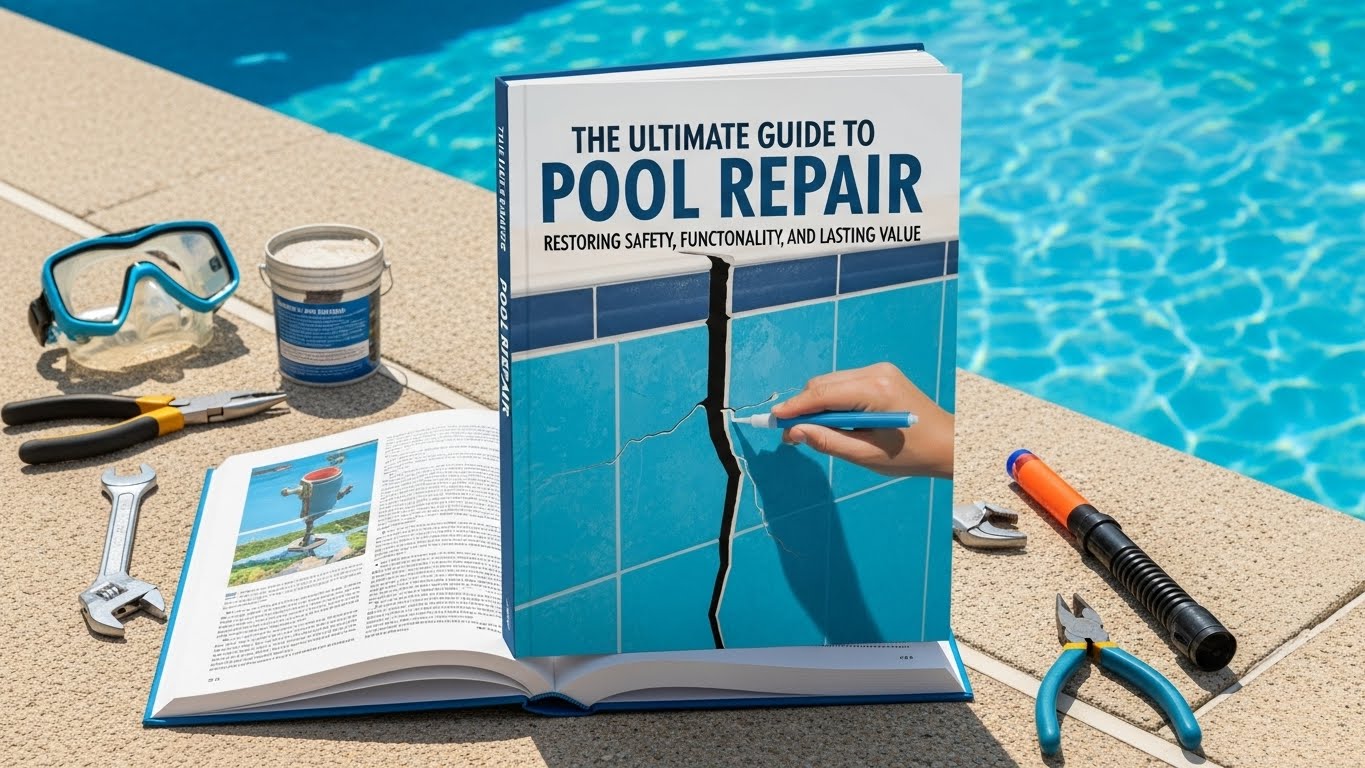
Structural problems may include cracks, chipped plaster, loose tiles, or damage to the pool shell. Concrete pools, while durable, are particularly susceptible to surface degradation over time. Small cracks in plaster can allow water infiltration, leading to larger fractures that compromise the structure. Vinyl liners may tear, wrinkle, or detach from fittings due to pressure changes, temperature fluctuations, or improper installation.
Fiberglass pools, known for their smooth surfaces, can sometimes develop blisters, bubbles, or surface cracks due to chemical imbalance or aging. Repairing structural damage involves assessing the severity, removing compromised material, and applying specialized techniques to restore the pool’s surface. Addressing structural concerns promptly prevents long-term damage and ensures the pool remains safe and visually appealing.
Mechanical and Equipment-Related Pool Repairs
A pool’s mechanical components are essential for maintaining water circulation, filtration, heating, and overall cleanliness. When equipment falters, water quality declines, efficiency drops, and potential hazards arise. Pumps, filters, heaters, and chlorinators must operate correctly to keep the pool functioning safely.
Pump failures often manifest as unusual noises, reduced water flow, or overheating. Filter issues may cause cloudy water, slow circulation, or increased debris. Heating problems can affect water temperature, leading to inconsistent performance and higher energy costs. Repairing or replacing faulty equipment ensures optimal water quality, reduces operating expenses, and protects swimmers.
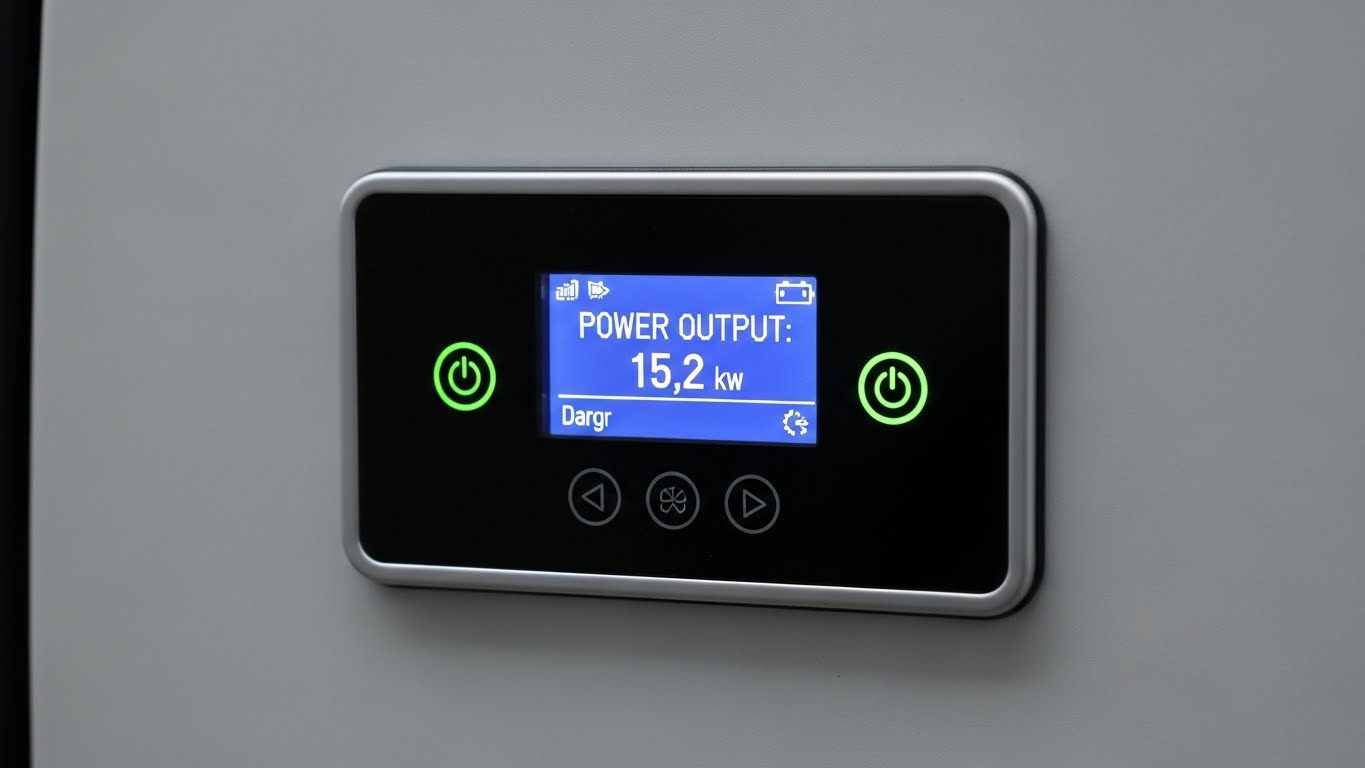
Automation systems, which control lighting, temperature, and cleaning cycles, may also require repair. Malfunctions in these systems can lead to wasted energy, inconsistent chemical levels, or equipment strain, making professional assessment crucial.
Leak Detection and Repair
Leaks are among the most common and costly issues encountered in pool ownership. They can occur in the pool shell, plumbing lines, fittings, or equipment. Detecting a leak is often challenging, as water loss can be mistaken for evaporation. However, leaks significantly increase water usage, disrupt chemical balance, and may cause soil erosion around the pool.
Professional leak detection involves pressure testing, dye testing, and using advanced tools such as acoustic detectors or cameras. These methods identify the precise location of leaks without unnecessary excavation. Repairing leaks may involve patching cracks, sealing joints, repairing pipe breaks, or replacing damaged fittings. Timely leak repair helps maintain water levels, preserve structural integrity, and reduce utility costs.
Surface Refinishing and Resurfacing
Over time, pool surfaces may show signs of aging, such as staining, peeling, or rough textures. Resurfacing restores the pool’s appearance and enhances durability. This process may involve draining the pool, cleaning the surface, repairing cracks, and applying new plaster, quartz, pebble, or other finishes.
Resurfacing improves the pool’s aesthetic appeal and plays an important role in safety. Smooth, uniform surfaces reduce the risk of abrasions and make cleaning more efficient. Regular resurfacing also extends the lifespan of the pool, protects structural elements, and maintains water quality.
Tile and Coping Repairs
Tiles and coping contribute to both the functionality and appearance of a pool. They protect the pool edge, prevent water intrusion, and provide a finished look. Over time, tiles may crack, loosen, or discolor due to chemical exposure, freezing temperatures, or natural wear.
Repairing or replacing damaged tiles and coping helps maintain structural integrity and prevents water from penetrating the pool shell or deck. This type of pool repair enhances safety by reducing tripping hazards and preserving the pool’s overall aesthetic value.
Pool Deck Repairs
The pool deck is an extension of the pool environment and plays a significant role in safety and usability. Cracks, uneven surfaces, stains, and chipped edges can detract from the pool’s appeal and create hazards. Deck repairs may include filling cracks, resurfacing concrete, resealing materials, or replacing broken sections.
Repairing the pool deck improves stability, enhances slip resistance, and extends the life of the surrounding surface. It also contributes to the overall enjoyment and visual harmony of the pool area.
Chemical and Water Quality Issues
Water chemistry affects not only swimmer safety but also the longevity of pool equipment and surfaces. Imbalanced chemicals can cause excessive algae growth, staining, corrosion of metal components, and deterioration of surfaces. Addressing chemical issues involves inspecting filtration systems, checking water circulation, and adjusting pH, chlorine, and mineral levels.
Long-term neglect of water quality can lead to extensive pool repair in Miami needs. Preventive maintenance ensures that water remains clean, clear, and safe while reducing the need for frequent repairs.
Safety-Related Repairs
Safety features such as ladders, railings, steps, lights, and drain covers must remain in good condition. Damaged or worn components increase the risk of accidents. Repairing or replacing safety features boosts both security and functionality.
Lighting repairs are particularly important, as they enhance visibility for evening use and contribute to overall ambiance. Proper maintenance of drains and covers also complies with safety regulations designed to prevent suction-related accidents.
The Role of Professional Pool Technicians
While some minor repairs can be handled by homeowners, most pool issues require professional expertise. Trained technicians have the knowledge, tools, and experience to identify problems accurately and perform long-lasting repairs. Professionals follow industry standards, ensuring the safety, efficiency, and durability of repair work.
Hiring experienced technicians also reduces the risk of misdiagnosis or improper repair, which could lead to more extensive and costly damage in the future. Their guidance on maintenance and preventive measures can extend the life of the pool and minimize long-term expenses.
Preventive Maintenance and Long-term Benefits
Routine maintenance is the best way to reduce the need for extensive pool repair. Regular inspections, chemical balancing, equipment servicing, and cleaning prevent many common problems. Establishing a maintenance schedule helps pool owners stay ahead of issues and maintain consistent performance.
Preventive maintenance enhances safety, improves water quality, and prolongs the lifespan of pool components. It also contributes to energy efficiency by ensuring that equipment runs smoothly and without strain. A well-maintained pool remains a pleasant, inviting feature that adds value and enjoyment to the property.
Conclusion: The Importance of Timely Pool Repair
Pool repair is an essential aspect of responsible pool ownership. Addressing structural issues, equipment malfunctions, leaks, surface deterioration, and safety concerns ensures a safe, functional, and visually appealing pool environment. Professional repairs restore efficiency, prevent costly complications, and extend the lifespan of the pool. By investing in timely pool repair in Miami, homeowners protect their property, maintain water quality, and preserve the long-term value of their pool. With proper care, expert repairs, and routine maintenance, a swimming pool can remain a source of enjoyment and relaxation for many years.