







In today’s fast-paced food service industry, efficiency and consistency are just as important as taste. Whether it’s a bakery producing hundreds of loaves daily or a restaurant preparing dough, batter, and sauces in bulk, the right equipment can make a significant difference. One such essential appliance is the planetary mixer machine. Designed for heavy-duty performance, this versatile machine has become a cornerstone of modern commercial kitchens. Choosing a reliable planetary mixer manufacturer ensures not only durability but also consistent results across high-volume operations.
What Is a Planetary Mixer Machine?
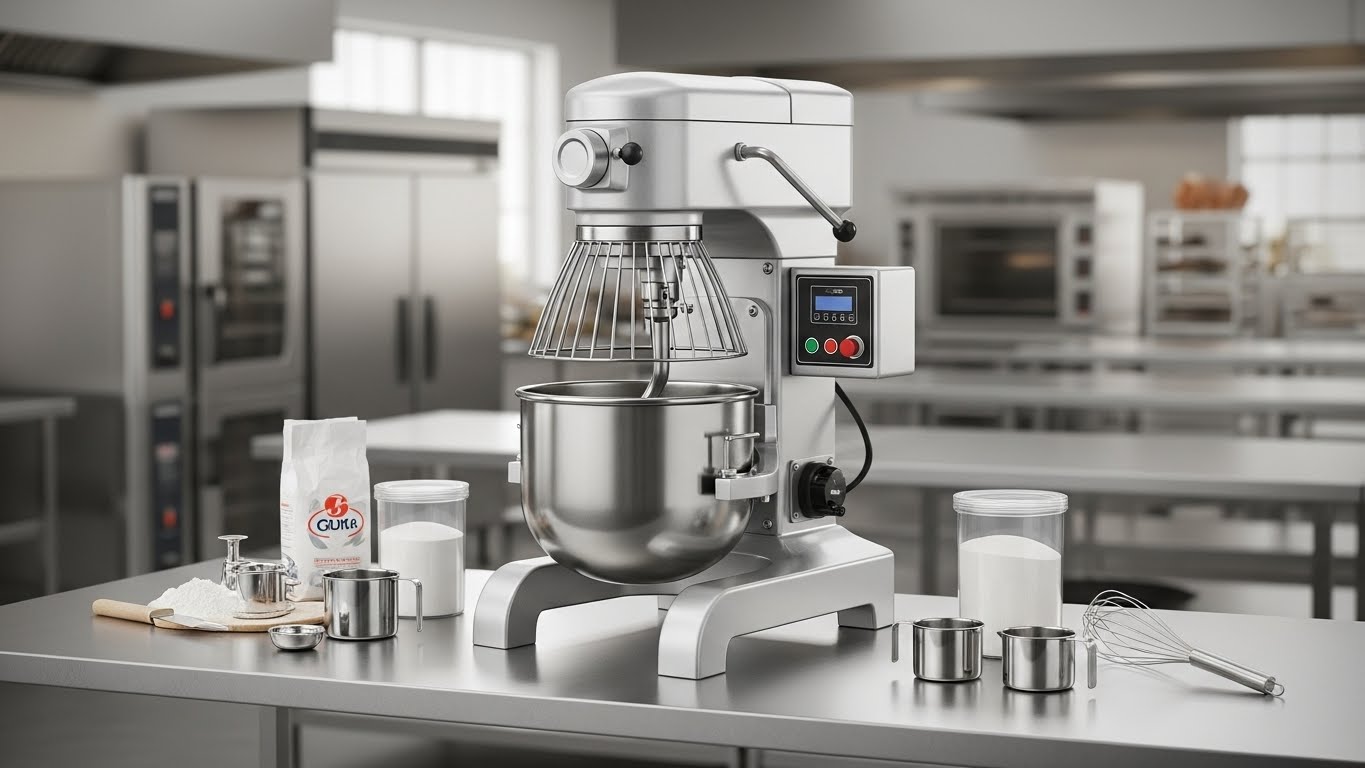
A planetary mixer is a professional mixing machine named after its unique motion. The agitator rotates on its own axis while simultaneously moving around the bowl, similar to how planets orbit the sun. This dual movement allows ingredients to be mixed thoroughly and evenly, even in large quantities.
Unlike conventional mixers, planetary mixers are built to handle thick doughs, dense batters, creams, and sauces with ease. Their robust construction and powerful motors make them ideal for commercial kitchen environments where continuous use is common.
How a Planetary Mixer Works
The defining feature of a planetary mixer is its mixing action. As the attachment spins and moves around the bowl, it reaches every area without requiring manual scraping. This results in:
- Uniform mixing of ingredients
- Reduced preparation time
- Consistent texture and quality
Most planetary mixers come with variable speed controls, allowing chefs to adjust the mixing intensity depending on the recipe. From slow folding to high-speed whipping, the machine adapts to diverse culinary needs.
Key Components of a Planetary Mixer
Mixing Bowl
The mixing bowl is usually made of stainless steel for hygiene, durability, and easy cleaning. Bowl capacities vary, making it possible to choose a model that fits your kitchen’s production scale.
Attachments
Planetary mixers typically include multiple attachments, such as:
- Dough hook for kneading bread and pizza dough
- Flat beater for batters, mashed potatoes, and fillings
- Wire whisk for whipping cream, eggs, and light mixtures
These interchangeable tools add versatility to the machine.
Motor and Gear System
A powerful motor and strong gear system allow the mixer to operate for extended periods without overheating. This is crucial in commercial kitchens where downtime can impact productivity.
Benefits of Using a Planetary Mixer in a Commercial Kitchen
Improved Efficiency
By automating mixing tasks, planetary mixers significantly reduce manual labor. Staff can focus on other food preparation activities while the mixer handles bulk mixing.
Consistent Results
Uniform mixing ensures that every batch meets the same quality standards. This consistency is especially important for bakeries and franchises where product uniformity defines brand reputation.
Time and Cost Savings
Faster preparation times and reduced waste translate into long-term cost savings. Over time, a high-quality planetary mixer pays for itself through improved efficiency.
Versatility
From dough and batter to creams and sauces, planetary mixers can handle a wide range of recipes, making them a valuable all-in-one solution.
Applications of Planetary Mixer Machines
Planetary mixers are widely used across various food service sectors, including:
- Bakeries for bread, cake, and pastry preparation
- Hotels for large-scale food production
- Restaurants for doughs, sauces, and fillings
- Catering services for bulk mixing during events
- Institutional kitchens such as schools and hospitals
Their adaptability makes them suitable for both specialized and multi-cuisine kitchens.
Factors to Consider When Choosing a Planetary Mixer
Capacity Requirements
Assess your daily production volume before selecting a mixer. A small café may need a compact model, while an industrial bakery requires a high-capacity unit.
Build Quality
Look for mixers made from food-grade materials with sturdy construction. A well-built machine ensures longevity and safe operation.
Speed Options
Multiple speed settings allow better control over mixing processes and help achieve desired textures for different recipes.
After-Sales Support
Selecting equipment from a trusted manufacturer with reliable service and spare parts availability is essential for uninterrupted operations.
Importance of Choosing the Right Manufacturer
The performance and lifespan of a planetary mixer largely depend on its manufacturer. An experienced planetary mixer manufacturer focuses on precision engineering, safety standards, and ergonomic design. Quality manufacturers also offer warranties, technical support, and customization options to meet specific kitchen requirements.
Working with the right supplier ensures that your investment delivers consistent performance and complies with commercial kitchen regulations.
Maintenance and Care Tips
To keep your planetary mixer running smoothly:
- Clean the bowl and attachments after every use
- Avoid overloading the machine beyond its rated capacity
- Schedule regular inspections and servicing
- Train staff on proper operation and safety guidelines
Routine maintenance not only extends the machine’s life but also maintains food safety standards.
Conclusion
A planetary mixer machine is more than just a mixing tool—it is a productivity booster for any commercial kitchen. Its powerful performance, versatile applications, and consistent results make it indispensable for bakeries, restaurants, and catering operations. By choosing the right capacity and partnering with a reliable manufacturer, businesses can enhance efficiency, maintain quality, and support long-term growth. For commercial kitchens aiming to streamline operations and deliver superior food products, investing in a planetary mixer is a smart and strategic decision.