









Why Powerful Movement Starts From the Hips
Many people want stronger workouts without adding complex routines. One simple movement can train strength, balance, and coordination at the same time. The kettlebell swing is a popular choice because it teaches the body how to move with power and control.
At the heart of this movement is the hip hinge. This pattern helps the body generate force safely while protecting the lower back. When done correctly, it improves posture, builds strength, and supports daily movement like lifting and bending.
Fitness professionals value this exercise because it works many muscles together. Learning how to teach proper form helps clients move better and feel more confident during training.
Understanding the Hip Hinge Pattern
The hip hinge is a movement where the hips move back while the spine stays neutral. Unlike a squat, the knees bend slightly, but the hips do most of the work. This pattern trains the body to load strength into the hips rather than the lower back.
When clients understand this motion, they gain better control and balance. It also helps them lift objects safely in everyday life.
Key features of a proper hip hinge include:
- Neutral spine from head to hips
- Hips moving backward, not downward
- Weight balanced through the feet
- Core engaged for stability
Practicing this pattern builds the foundation for strong and safe movement.
Muscles Activated During Kettlebell Swings
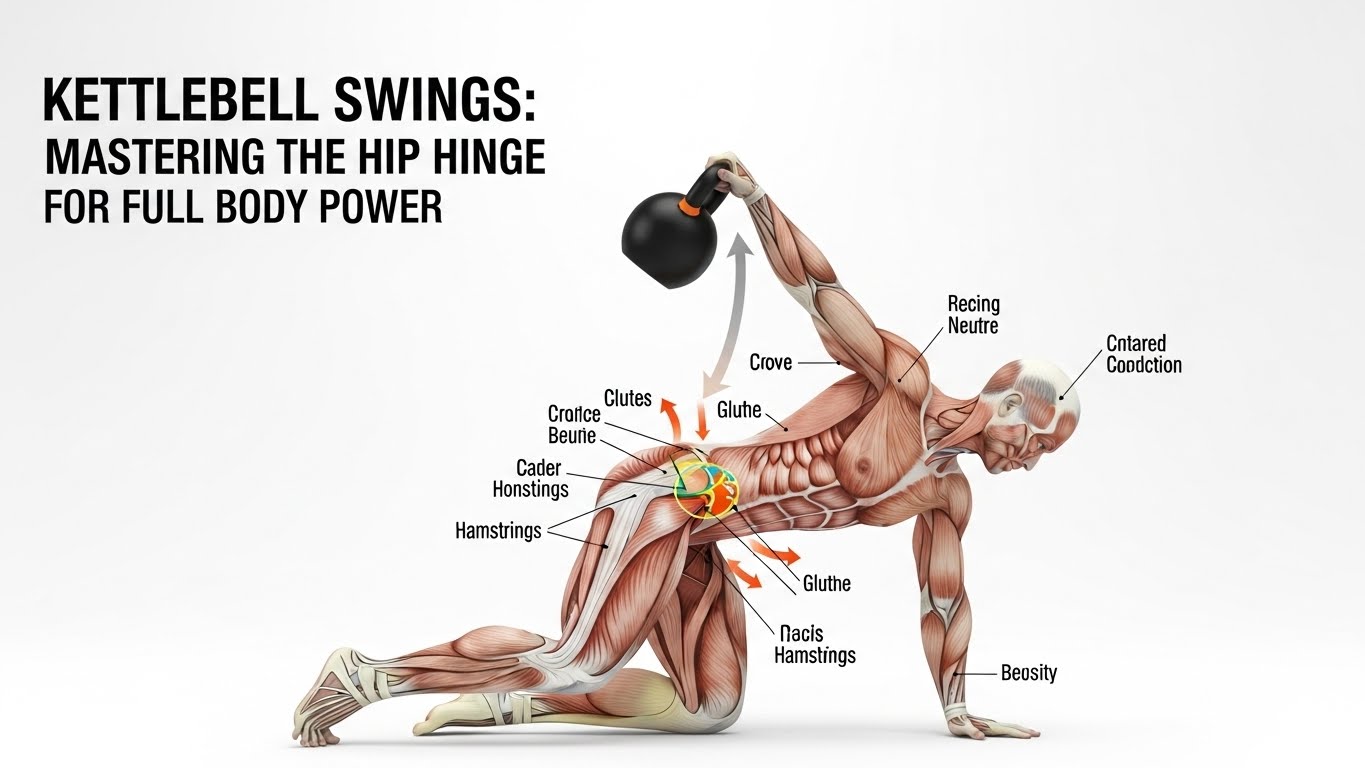
This exercise may look simple, but it works many muscle groups at once. The hips generate power, while the core and upper body help control the movement.
Primary muscles involved include:
- Glutes for hip drive
- Hamstrings for support and control
- Core muscles for stability
- Upper back and shoulders for posture
- Grip muscles for kettlebell control
Because so many muscles work together, this movement improves coordination and strength at the same time.
Common Form Mistakes and How to Fix Them
Many beginners struggle with technique. Small errors can reduce benefits or cause discomfort. Fitness professionals should watch closely and correct form early.
Common mistakes include:
- Squatting instead of hinging
- Lifting with the arms instead of hips
- Rounding the lower back
- Using a weight that is too heavy
Corrections should focus on slowing the movement and practicing control. Teaching clients to feel the hip drive helps them understand where power comes from.
Breathing and Timing for Better Power
Breathing plays an important role in movement efficiency. Proper breathing helps stabilize the core and improve rhythm.
Encourage clients to:
- Inhale before the swing begins
- Exhale forcefully as the hips drive forward
- Keep breathing steady and controlled
This breathing pattern supports core engagement and helps maintain proper posture throughout the movement.
How Kettlebell Swings Improve Daily Movement
The hip hinge is used in many daily tasks. Picking up groceries, lifting boxes, or standing from a chair all require similar mechanics.
Benefits that transfer to daily life include:
- Stronger hips and legs
- Reduced lower back strain
- Better balance and posture
- Improved movement confidence
When clients understand how to hinge correctly, they often feel stronger and safer in everyday activities.
Teaching Progressions for Different Fitness Levels
Not every client starts at the same level. Teaching progressions allows safe learning and steady improvement.
Beginner steps may include:
- Practicing hip hinges without weight
- Using light resistance to learn timing
- Short sets with focus on form
As clients improve, they can:
- Increase resistance gradually
- Add controlled tempo changes
- Focus on power and consistency
Progressions keep training challenging while reducing injury risk.
Safety Tips for Instructors and Clients
Safety should always come first. Clear instruction and proper setup reduce the chance of strain.
Important safety reminders include:
- Warm up hips and hamstrings before training
- Choose an appropriate weight
- Keep the movement controlled
- Stop if pain or discomfort occurs
Clients should feel challenged but not overwhelmed. Good coaching builds trust and long term success.
Building Confidence Through Education
Fitness professionals benefit from understanding both movement mechanics and teaching strategies. Education helps trainers explain techniques clearly and adjust for different clients.
Programs such as American Sport and Fitness Association offer structured learning through ASFA’s Kettlebell Certification. This type of education supports better coaching skills and safer training environments.
Knowledge allows trainers to spot errors quickly and guide clients with confidence.
Programming Kettlebell Swings Into Workouts
This movement fits well into many types of workouts. It can be used for strength, conditioning, or skill development.
Common programming ideas include:
- Short sets during strength sessions
- Timed intervals for conditioning
- Technique focused practice days
Keeping volume manageable helps maintain good form and prevents fatigue related mistakes.
Encouraging Long Term Movement Success
Clients often enjoy exercises that feel powerful and rewarding. When taught correctly, kettlebell swings create a sense of progress and control.
Encourage clients to focus on quality over speed. Mastering the hip hinge leads to better results and fewer setbacks.
Celebrating small improvements keeps motivation high and builds lasting habits.
Final Thoughts on Mastering Full Body Power
The kettlebell swing is more than just an exercise. It teaches the body how to move efficiently and safely. By mastering the hip hinge, clients develop strength that supports both fitness goals and daily life.
Fitness professionals who understand this movement can help clients build power with confidence. Continued learning through ASFA’s Kettlebell Certification strengthens coaching skills and improves training outcomes.