










License plates are among the most ordinary objects in daily American life, yet they have an unusual afterlife once they leave the road. Long after a car is sold or scrapped, its plate can resurface at a garage sale, flea market, or estate auction, quietly carrying decades of local history, design trends, and personal stories. For a growing number of collectors, decorators, and historians, these metal rectangles are no longer leftovers from the DMV but artifacts worth preserving. This article looks at how discarded plates move from casual resale settings into curated collections and display walls, and why interest in them continues to grow across the United States, including the expanding secondary market where license plates for sale appear alongside antiques, signs, and Americana.
A specialist from ShopLicensePlates notes that many first-time collectors underestimate how much variety exists once they look beyond modern plates. According to their guidance, understanding the differences between eras, states, and materials helps buyers make informed choices and avoid overpaying for reproductions when they want originals. For those interested in learning how authentic older plates are categorized and valued, vintage license plates offer a practical reference point when comparing styles, dates, and condition.
The Accidental Discovery: Why License Plates Turn Up at Garage Sales
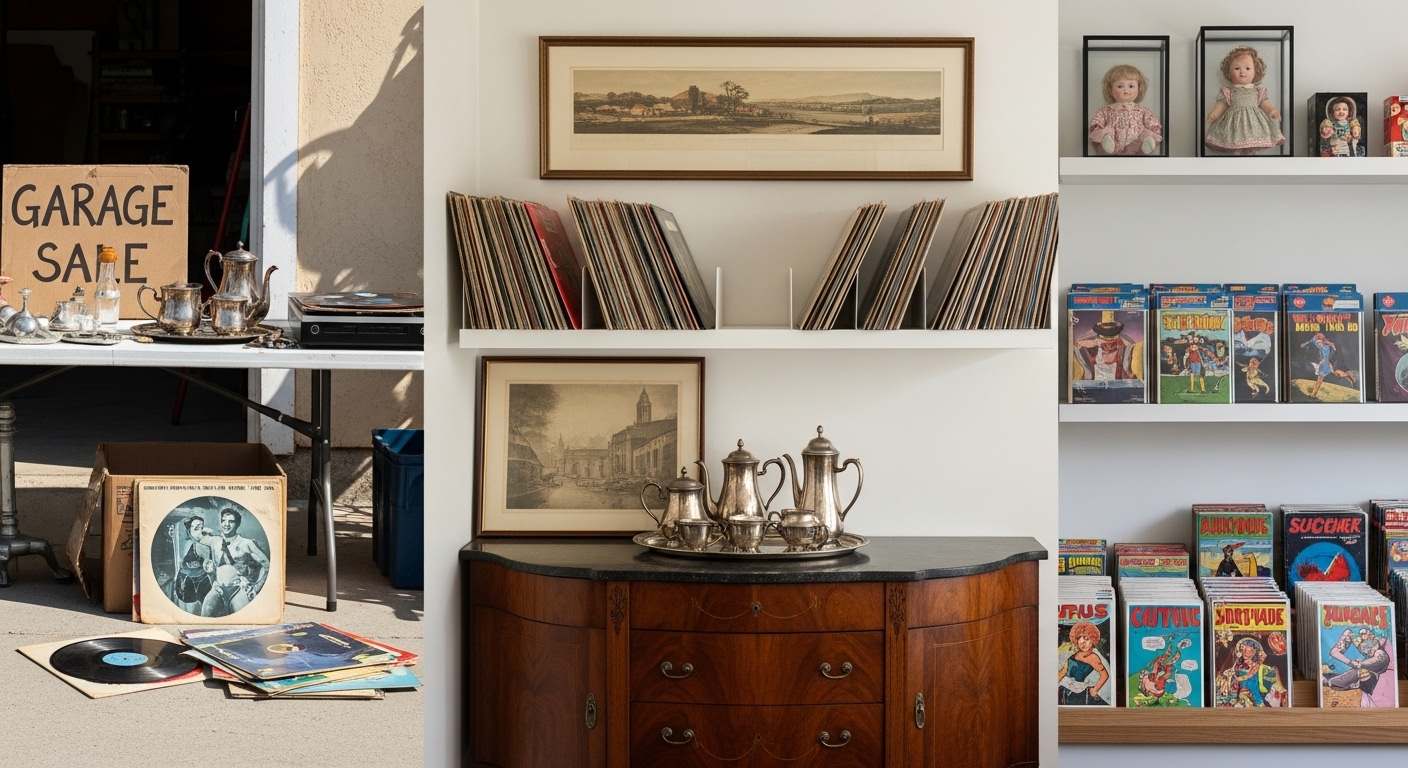
Garage sales remain one of the most common entry points into license plate collecting. Unlike curated antique shops, these sales are informal, local, and often reflect what a household accumulated over decades. Old plates frequently appear because they were once kept as souvenirs, spares, or keepsakes tied to a first car, a memorable road trip, or a former home state. When homes are downsized or estates cleared, these items are easy to overlook until someone cleaning out a box decides to put them on a folding table with tools and kitchenware.
What makes garage sales particularly interesting is the randomness of what surfaces. A single sale might offer a mid-century steel plate from a rural state, a pair of matching plates from a defunct design year, or even an unusual specialty plate issued for a short time. Sellers often price these items casually, unaware that some designs are sought after due to limited production runs, unique color schemes, or historical associations.
This environment encourages impulse buying. Many collectors recall purchasing their first plate simply because it looked different or familiar, not because they intended to start a collection. That initial purchase often sparks curiosity. Once someone begins to notice variations in embossing, slogans, and mounting holes, license plates stop looking interchangeable and start to tell specific stories about time and place.
Garage sales also highlight the social aspect of collecting. Buyers frequently learn about a plate’s background directly from the seller, gaining context that would never appear in an online listing. While that information is not always verifiable, it adds to the narrative appeal that draws people deeper into the hobby.
Design, Regulation, and Identity on a Metal Plate
License plates are shaped by regulation, but they are also influenced by culture and design trends. Every plate must meet legal requirements for visibility, durability, and identification, yet within those limits, states have experimented with colors, slogans, fonts, and materials. Over time, these choices reflect broader shifts in aesthetics and public messaging.
Early plates were often simple, with stark contrasts and minimal decoration. As manufacturing improved, states introduced embossed numbers, reflective coatings, and standardized dimensions. Later decades saw the rise of slogans promoting tourism, natural features, or state pride. These elements make plates instantly recognizable and help explain why certain designs resonate more strongly with collectors.
Collectors often focus on how plates signal identity. A plate from a farming state in the 1940s communicates different priorities than one from a coastal state in the 1970s. Even subtle changes, such as the switch from steel to aluminum, tell a story about material shortages, cost concerns, or environmental considerations.
Understanding these layers helps collectors appreciate plates as more than decorative objects. They become visual records of policy decisions, marketing strategies, and technological progress. This perspective also explains why condition matters. Rust, fading, or bent corners may reduce monetary value but can also emphasize age and authenticity, which some collectors find appealing.
From Curiosity to Collection: How People Start Collecting
Most license plate collections begin unintentionally. A single plate picked up at a garage sale or inherited from a relative often becomes the seed of a broader interest. As people start researching what they own, patterns emerge. Some gravitate toward plates from their home state, while others pursue specific decades, colors, or themes.
The collecting process is often shaped by personal history. Someone who grew up in the Midwest may seek plates from states they traveled through as a child. Another collector might focus on plates issued during a particular historical period, such as World War II or the early years of interstate highways. These choices give collections a narrative structure rather than turning them into random assortments.
As interest deepens, collectors move beyond casual purchases and begin seeking out specific pieces. Online marketplaces, antique shows, and specialty retailers become part of the search. At this stage, understanding pricing norms and authenticity becomes important, especially when encountering higher-value items.
While some collectors enjoy the hunt more than ownership, others take satisfaction in organizing and displaying their finds. Cataloging plates by year, state, or design allows collectors to see progress and identify gaps. This sense of progression keeps the hobby engaging and encourages long-term involvement.
Displaying History: Turning Plates into Wall Art
Once a collection grows beyond a handful of plates, storage and display become practical concerns. Many collectors choose to display plates on walls, transforming them into visual statements that blend history with interior design. This shift from drawer to display wall marks an important moment, when license plates become both personal artifacts and shared conversation pieces.
Wall displays vary widely. Some collectors arrange plates chronologically to show design evolution, while others group them by color or region for visual impact. Garages, workshops, and home offices are popular locations, but plates increasingly appear in living rooms, restaurants, and retail spaces as part of a broader trend toward industrial and Americana-inspired decor.
Displaying plates also raises questions about preservation. Exposure to light, humidity, and temperature changes can affect metal and paint over time. Collectors who value longevity often use mounting methods that avoid drilling new holes or stressing the metal. Frames, rails, and magnetic mounts offer alternatives that balance visibility with protection.
Beyond aesthetics, display choices reflect how collectors see their plates. Some emphasize uniformity and order, while others prefer eclectic arrangements that highlight differences. In both cases, the wall becomes a curated surface, telling a story that goes beyond individual pieces.
Market Dynamics and the Growing Secondary Trade
As interest in license plates has grown, so has the secondary market that supports it. What once relied heavily on local sales and swap meets now includes a wide range of online platforms and specialty retailers. This expansion has made it easier to find specific plates but has also introduced new challenges around pricing and authenticity.
Prices vary significantly depending on factors such as age, rarity, condition, and demand. Common plates from recent decades may sell for modest amounts, while older or short-issued designs can command much higher prices. Knowledge plays a critical role here. Collectors who understand production numbers, reissue patterns, and restoration techniques are better equipped to assess value.
The visibility of license plates for sale online has also attracted casual buyers who are more interested in decoration than historical accuracy. This has encouraged the production of reproductions and novelty plates. While these items have their place, distinguishing them from originals is essential for collectors seeking authenticity.
Specialty retailers help bridge this gap by providing curated selections and clearer descriptions. For newer collectors, these sources can offer reassurance and education alongside the purchase itself. As the market matures, transparency and informed buying become increasingly important.
Preserving Meaning in a Common Object
At first glance, a license plate is a utilitarian object, designed to serve a narrow legal function. Its transformation into a collectible challenges assumptions about what deserves preservation. In reality, plates endure because they sit at the intersection of everyday life and public history.
Each plate was once attached to a specific vehicle, traveling real roads and witnessing ordinary moments. Over time, those individual stories blur, but the broader context remains. Plates reflect population growth, mobility, design standards, and state identity in ways that few other objects do so succinctly.
Collectors play a role in preserving this context. By saving, researching, and displaying plates, they prevent these objects from disappearing into scrap metal piles. Even when displayed purely for visual appeal, plates prompt questions and conversations that keep their history alive.
From a practical standpoint, license plates are accessible collectibles. They are relatively durable, widely available, and varied enough to support countless collecting strategies. This accessibility helps explain why interest continues to grow, drawing in people who might never consider themselves collectors.
The journey from garage sale to collector’s wall is not just about acquisition. It is about recognizing value in the overlooked and finding meaning in the ordinary. License plates, once purely functional, become markers of time, place, and personal connection, earning their spot not on the road, but on the wall.