






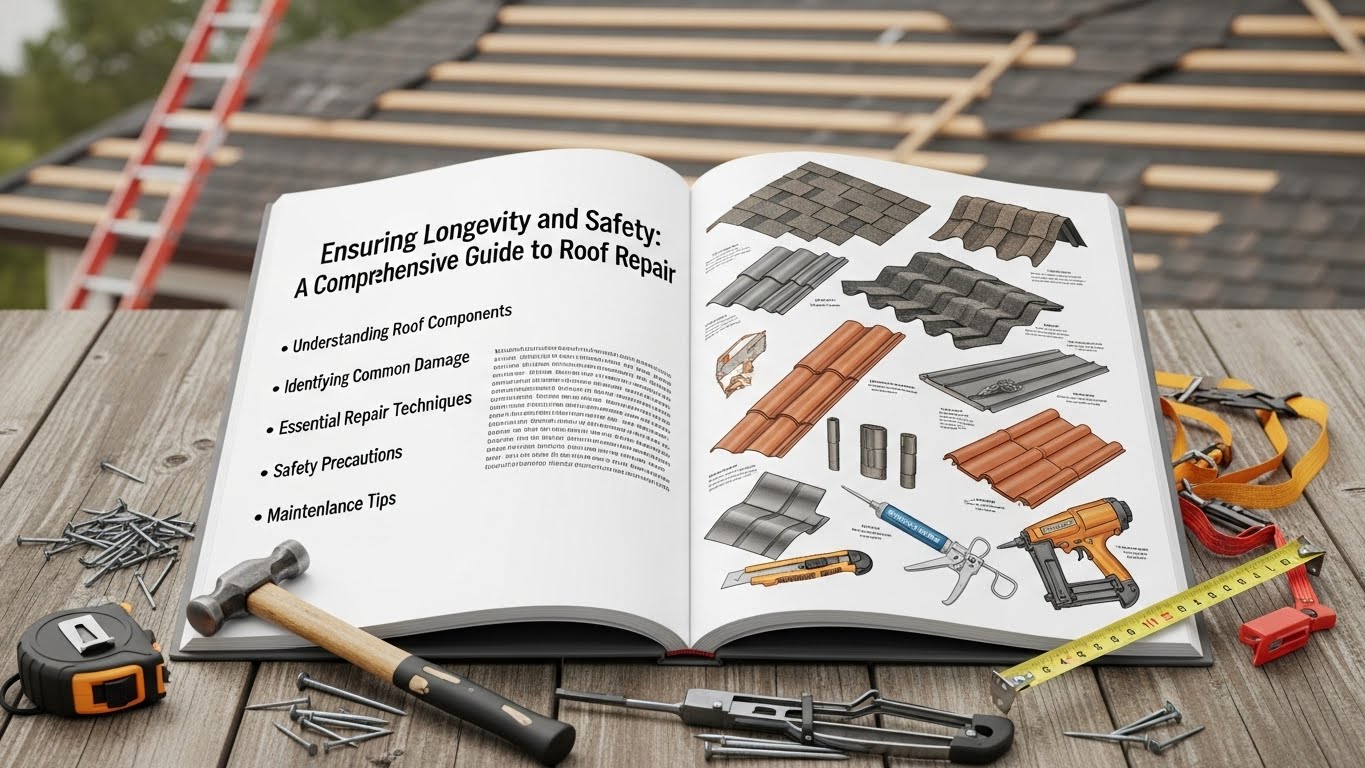
A roof is more than just a protective layer over a home; it is an essential structural component that safeguards the building and its occupants from the elements. It provides shelter against rain, snow, wind, and sun, while also contributing to the overall energy efficiency of the home. Over time, however, even the most durable roofs can develop issues due to natural wear and tear, extreme weather conditions, or lack of maintenance. Ignoring early signs of damage can lead to more significant problems, including structural deterioration, water infiltration, mold growth, and escalating repair costs. Understanding the fundamentals of roof repair and the techniques involved is crucial for homeowners who wish to maintain the safety, functionality, and aesthetic appeal of their property. This guide delves into common roofing issues, repair methods, preventive maintenance strategies, and the long-term benefits of addressing problems promptly.
Identifying the Signs of Roof Damage
The first step in a successful repair process is recognizing when the roof is in need of attention. Damage may manifest in several ways, ranging from visible leaks to subtle signs that often go unnoticed until more serious issues develop. Water stains on ceilings or walls, for example, are a clear indication that moisture has penetrated the roofing structure. Missing, cracked, or curling shingles can compromise the roof’s ability to repel water effectively, leading to further deterioration. A sagging roof deck, though less common, may signal underlying structural weaknesses that require immediate attention. The presence of mold, mildew, or moss growth on the roof surface indicates trapped moisture, which not only affects the roof’s performance but can also create health hazards for occupants. Even granule loss on asphalt shingles, which may seem minor, can significantly reduce the roof’s protective capabilities. By monitoring these indicators regularly, homeowners can identify problems early and prevent minor issues from escalating into costly repairs or complete roof replacements.
Common Causes of Roof Damage
Roof damage can occur due to a combination of environmental factors, material degradation, and human influence. Weather is the primary culprit in most cases, with heavy rainfall, snow accumulation, hail, high winds, and extreme temperature fluctuations all contributing to roof wear and tear. Prolonged exposure to ultraviolet (UV) rays can cause shingles to become brittle and crack, while freezing and thawing cycles may exacerbate structural weaknesses. In addition to natural elements, improper installation, substandard materials, and insufficient maintenance practices can accelerate damage. Clogged gutters and downspouts, for example, allow water to pool on the roof surface, increasing the risk of leaks and structural decay. Foot traffic on the roof, either for maintenance or recreational purposes, can also damage materials over time. Understanding the root causes of roofing issues helps homeowners determine the most effective repair approach and implement preventive measures to extend the roof’s lifespan.
Roof Repair Techniques and Approaches
The methods employed for roof repair vary depending on the type of damage, roofing materials, and overall condition of the roof. Minor issues, such as individual shingle damage, may be addressed through targeted replacement or sealing. Shingle replacement involves removing the damaged pieces and installing new ones to restore the roof’s integrity, while sealing small leaks with roofing cement or specialized sealants can prevent water infiltration and further deterioration. Flashing repair or replacement is another critical technique, as improperly sealed flashing around chimneys, vents, skylights, and valleys is a common source of leaks. In addition to these standard repairs, some roofing systems benefit from the application of protective coatings, which enhance water resistance and provide an additional barrier against UV rays and weathering. More extensive damage may require structural repairs, including the reinforcement of support beams or replacement of decking material, to ensure that the roof can safely bear weight and withstand environmental stressors.
Selecting the Right Materials for Repairs
Choosing appropriate materials is a fundamental aspect of effective roof repair. The materials used must be compatible with the existing roof, both in terms of functionality and appearance. For asphalt shingle roofs, matching the color and style of replacement shingles ensures visual continuity while maintaining consistent protective qualities. Metal roofs require compatible gauge, finish, and panel type to prevent corrosion and leaks. Flat or commercial roofing systems often demand specialized membranes or coatings that provide uniform coverage and reliable waterproofing. Using high-quality materials not only improves the longevity of the repair but also reduces the likelihood of recurring issues. Homeowners should consider factors such as durability, weather resistance, maintenance requirements, and energy efficiency when selecting roofing materials, as these characteristics directly influence the long-term performance of the repaired roof.
The Role of Professional Roof Repair Services
While some minor repairs can be handled by skilled DIY homeowners, many aspects of roof repair require specialized knowledge, tools, and safety equipment. Attempting complex repairs without proper expertise can lead to accidents or result in improperly executed repairs that compromise the roof’s integrity. Professional roofing contractors bring extensive experience in identifying underlying issues, selecting the correct materials, and applying repair techniques that meet industry standards. They are familiar with building codes, manufacturer guidelines, and best practices for long-term performance. Hiring professionals for significant repairs ensures that the work is carried out safely, efficiently, and with lasting results. Additionally, contractors can identify hidden damage that might be overlooked during casual inspections, helping homeowners prevent future problems and avoid unnecessary expenses.
Preventive Maintenance to Reduce Future Repairs
Regular maintenance is the most effective strategy for minimizing the need for extensive roof repair. Routine inspections, ideally conducted at least twice a year and after severe weather events, allow homeowners to detect early signs of wear or damage. Cleaning gutters and downspouts is essential to prevent water accumulation and ice dams, both of which can compromise the roof structure. Trimming overhanging tree branches reduces the risk of falling debris causing punctures or abrasions, while also minimizing moss and algae growth by increasing sunlight exposure. Periodic removal of moss, debris, and leaves from the roof surface prevents moisture retention that can accelerate material degradation. Checking and maintaining flashing, sealants, and ventilation systems ensures that all components work together effectively to protect the home. Consistent preventive care extends the lifespan of the roofing system, reduces emergency repair costs, and maintains the overall safety and efficiency of the home.
Understanding Costs and Budgeting for Repairs
The cost of roof repair varies widely depending on the extent of damage, type of roofing material, labor requirements, and local market conditions. Minor repairs, such as shingle replacement or small leak sealing, may be relatively inexpensive, while structural repairs, flashing replacement, or large-scale material replacement can be substantially more costly. Homeowners should prioritize quality and durability when budgeting for repairs, as low-quality materials or poorly executed repairs often lead to recurring issues and higher long-term costs. Obtaining multiple estimates from reputable contractors provides a clearer understanding of potential expenses and ensures fair pricing. A well-planned budget also allows for flexibility in addressing unexpected complications that may arise during the repair process.
Safety Considerations During Roof Repair
Roof repair inherently involves working at heights, handling heavy materials, and using specialized tools, all of which pose safety risks. Proper safety measures are essential to prevent accidents and injuries. Professional contractors utilize harnesses, fall protection systems, secure ladders, scaffolding, and personal protective equipment to maintain a safe working environment. Homeowners attempting DIY repairs should exercise caution, avoid wet or slippery conditions, and ensure proper stabilization of ladders and tools. Prioritizing safety not only protects individuals but also ensures that repair work is carried out accurately and efficiently, reducing the likelihood of errors that could compromise the roof’s performance.
Timing and Weather Considerations for Repair Projects
The timing of roof repair projects significantly influences their success. Repairs should ideally be scheduled during dry periods with moderate temperatures, which facilitate proper adhesion of sealants, shingles, and other roofing materials. Attempting repairs during extreme heat, cold, or precipitation can compromise material performance, reduce effectiveness, and prolong project timelines. Homeowners should monitor weather forecasts, plan for contingencies, and address minor issues promptly to prevent escalation. Timely intervention not only protects the structural integrity of the roof but also minimizes disruptions to daily life and reduces the likelihood of costly emergency repairs.
Energy Efficiency and Environmental Benefits
Addressing roof issues through timely repair can enhance the energy efficiency of a home. Leaks, missing shingles, or inadequate insulation can allow heat to escape during winter and enter during summer, resulting in higher energy bills and increased strain on heating and cooling systems. Sealing leaks, replacing damaged materials, and ensuring proper insulation and ventilation help maintain stable indoor temperatures and reduce energy consumption. Additionally, some modern repair solutions, such as reflective coatings and eco-friendly materials, offer environmental benefits by reducing energy demand and extending the lifespan of roofing components. Investing in energy-efficient repairs contributes to a more sustainable home and offers long-term financial savings.
Long-Term Benefits of Timely Roof Repair
The advantages of addressing roofing issues promptly extend beyond immediate protection from the elements. Timely roof repair prevents extensive structural damage, mold growth, and interior water damage, safeguarding the health and safety of occupants. It also preserves the home’s aesthetic appeal, maintains property value, and reduces the need for emergency repairs or full roof replacement. Regular maintenance and early intervention ensure that roofing systems perform efficiently, withstand environmental stressors, and provide reliable protection for decades. Homeowners who prioritize repair and upkeep enjoy greater peace of mind, knowing that their investment is protected and their home remains secure.
Conclusion: Protecting Your Home Through Roof Repair
A roof is one of the most critical components of a home, and its maintenance should never be overlooked. By recognizing signs of damage early, understanding the causes of wear, employing appropriate repair techniques, selecting quality materials, and implementing preventive maintenance, homeowners can extend the life of their roofing system and maintain the safety, comfort, and efficiency of their home. Professional services play an essential role in ensuring repairs are executed correctly, safely, and in compliance with industry standards. Timely roof repair not only prevents costly damages but also enhances energy efficiency, protects property value, and provides lasting peace of mind. A proactive approach to roof care ensures that this essential structure continues to safeguard the home and its occupants for many years to come.