










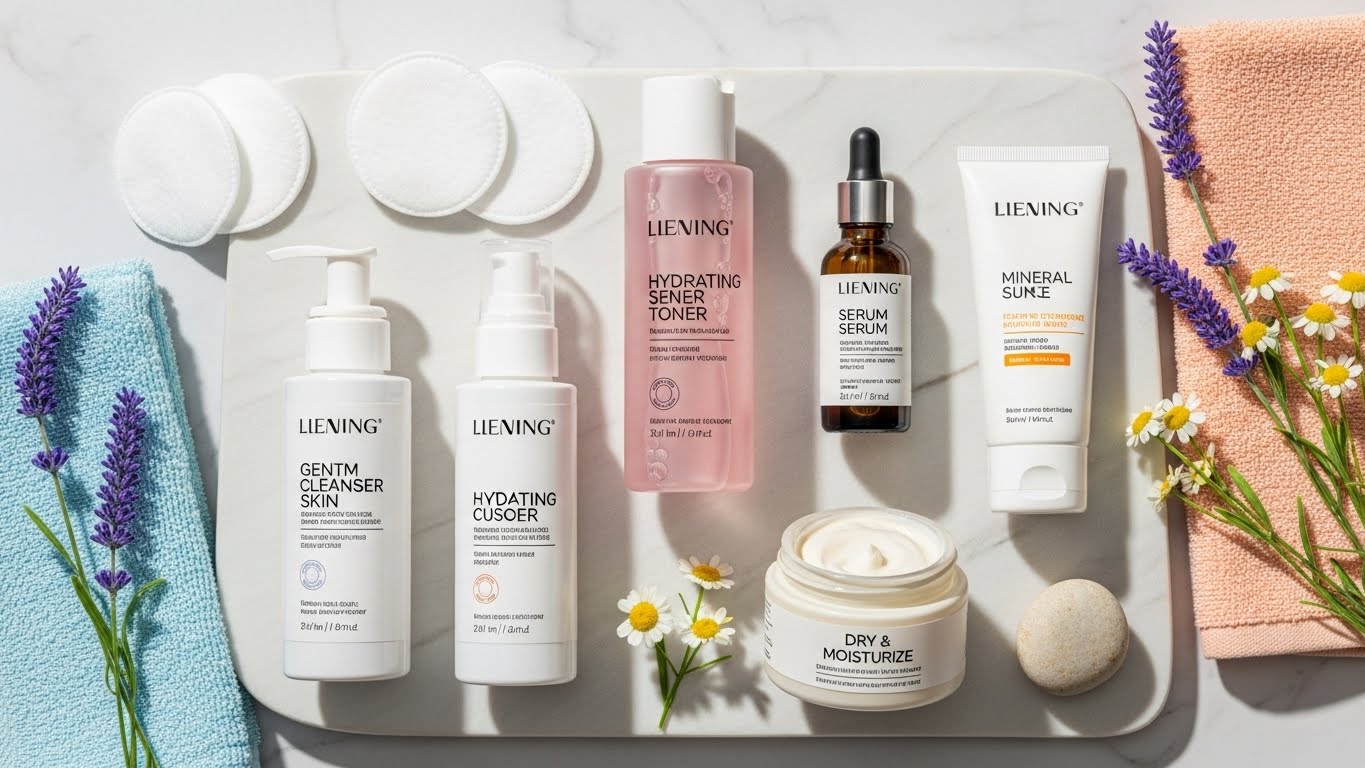
Dry and sensitive skin can feel like a constant battle. One day your face feels tight and itchy, and the next, it’s red and inflamed from a new lotion you tried. Finding balance is hard. It requires patience, gentle ingredients, and a strict routine. You don’t need a ten-step regimen to see results. You just need the right approach. When you understand how your skin barrier works, you can finally stop the irritation cycle. Even a top-tier facial product manufacturer knows that for sensitive skin, less is often more. This guide will walk you through a simple, effective routine that soothes dryness without causing flare-ups.
Understanding Your Skin Barrier
Your skin barrier is your first line of defense. Think of it like a brick wall. The skin cells are the bricks, and the lipids (oils) are the mortar holding them together. When you have dry, sensitive skin, that mortar is often weak or missing. This lets moisture escape and allows irritants to get in.
Why does the barrier break down?
Several factors weaken this protective layer. Harsh weather is a big culprit. Cold wind strips moisture away quickly. Hot showers do the same thing. Sometimes, we over-exfoliate, scrubbing away the healthy lipids our skin desperately needs. Genetics also play a role. Some people just naturally produce fewer oils.
When the barrier is compromised, you feel it. Your skin might sting when you apply products. It might look flaky or rough. The goal of your routine is simple: repair that wall.
Step 1: Gentle Cleansing
Cleansing is where most people go wrong. If your face feels “squeaky clean” after washing, you’ve gone too far. That squeaky feeling means you’ve stripped away your natural oils. For dry and sensitive skin, cleansing should be soft and comforting.
What to look for in a cleanser
Avoid foaming cleansers if you can. The ingredients that make those satisfying bubbles (usually sulfates) are often too harsh. Instead, look for:
- Cream cleansers
- Milk cleansers
- Oil-based cleansers
These formulas clean your skin without drying it out. Look for ingredients like glycerin, ceramides, or colloidal oatmeal.
How to wash properly
Wash your face once or twice a day. If your skin is extremely dry, just rinse with lukewarm water in the morning. Save the actual cleanser for the evening to remove the day’s grime. Use lukewarm water, never hot. Hot water melts away your natural oils and leaves your skin vulnerable. Pat your face dry with a soft towel—don’t rub.
Step 2: Hydration and Serums
After cleansing, your skin is ready to drink up moisture. This is the perfect time to use a hydrating toner or serum. You want to trap water in the skin before it evaporates.
The magic of Hyaluronic Acid
Hyaluronic acid is a superstar for dry skin. It acts like a sponge, pulling water into the outer layers of your skin. Apply a hyaluronic acid serum while your face is still slightly damp from washing. This helps it work better.
Avoid these ingredients
If you have sensitive skin, be careful with serums. Avoid products with:
- Alcohol (it dries you out)
- Fragrance (a common irritant)
- High concentrations of acids (like glycolic acid)
Stick to soothing ingredients. Niacinamide is great for calming redness. Aloe vera is another safe bet.
Step 3: Locking it in with Moisturizer
This is the most critical step. You’ve added hydration; now you need to seal it in. A good moisturizer acts as a barrier, preventing water loss and protecting your skin from the outside world.
Finding the right texture
Gel moisturizers might not be enough for dry skin. You likely need a thicker cream or a balm. Look for “occlusive” ingredients. These sit on top of the skin to form a seal. Examples include:
- Shea butter
- Squalane
- Petrolatum
When to apply
Apply your moisturizer immediately after your serum. Don’t wait for your skin to dry completely. Layering products creates a moisture sandwich that keeps skin plump for longer. At night, don’t be afraid to use a heavier cream. Your skin repairs itself while you sleep, so give it the extra nourishment it needs.
Step 4: Sun Protection is Non-Negotiable
You might think sunscreen is only for sunny days at the beach. That is a myth. UV rays damage your skin barrier every single day, even when it’s cloudy. For sensitive skin, the sun causes inflammation and redness.
Mineral vs. Chemical Sunscreen
Chemical sunscreens absorb UV rays. They are effective, but they can sometimes sting sensitive skin. Mineral sunscreens (also called physical sunscreens) are usually a better choice. They use zinc oxide or titanium dioxide to reflect UV rays.
Mineral sunscreens sit on top of the skin rather than absorbing into it. This makes them less likely to cause a reaction. Look for a formula labeled “broad-spectrum” with at least SPF 30.
Lifestyle Tips for Happy Skin
Products are important, but they aren’t everything. Your daily habits have a huge impact on your skin health.
Watch your water temperature
We mentioned this before, but it bears repeating. Skip the steaming hot showers. They feel great on sore muscles, but they are terrible for dry skin. Keep showers short and lukewarm.
Humidify your home
Central heating and air conditioning suck moisture out of the air. This dries out your skin. Sleeping with a humidifier in your bedroom can make a big difference. It adds moisture back into the air, which helps keep your skin hydrated overnight.
Patch test everything
Whenever you buy a new product, test it first. Apply a small amount behind your ear or on your inner arm. Wait 24 hours. If there is no redness or itching, it is likely safe to use on your face. This small step can save you days of irritation.
Conclusion
Caring for dry and sensitive skin doesn’t have to be complicated. It’s about being gentle and consistent. Focus on repairing your barrier with creamy cleansers, hydrating serums, and thick moisturizers. Always protect your skin from the sun. Listen to your skin. If something stings, stop using it. With the right routine, your skin can feel soft, calm, and comfortable again. Start with these basics, and your skin will thank you.