








As the global demand for clean, reliable, and flexible energy continues to rise, innovative solar technologies are transforming how power is generated and deployed. One of the most practical and fast-growing solutions is the PV container, also known as a solar shipping container. These containerized solar systems offer a powerful combination of mobility, scalability, and efficiency, making them ideal for off-grid locations, disaster relief, industrial projects, and rural electrification.
In this article, we will explore what a PV container is, how solar shipping containers work, their key benefits, applications, and why they are becoming a preferred choice for modern energy needs.
What Is a PV Container?
A PV container is a containerized solar power system built inside or on a standard shipping container. It integrates photovoltaic (PV) panels, inverters, mounting structures, and optional battery storage into a compact, transportable unit. Once delivered to a site, the system can be deployed quickly with minimal installation work.
Unlike traditional solar power plants that require extensive civil work and long construction timelines, PV containers are designed for plug-and-play operation, significantly reducing setup time and labor costs.
A modern example of this innovation is the foldable PV container solution, which uses deployable solar panels to maximize energy output while keeping transportation compact.
Understanding Solar Shipping Containers
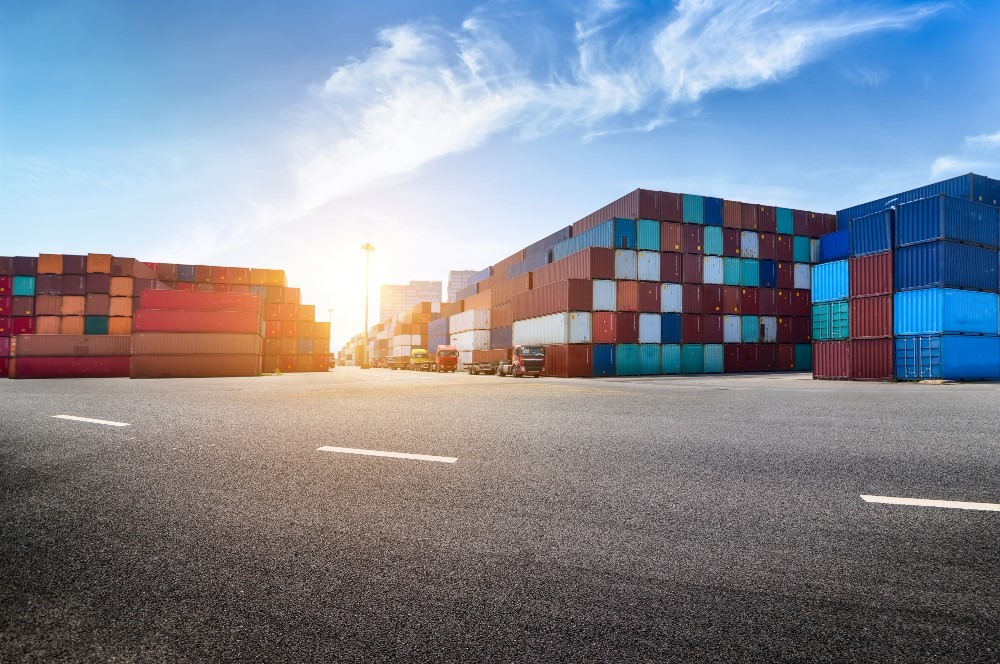
A solar shipping container takes advantage of standardized ISO containers, making transportation easy by truck, ship, or rail. These containers are engineered to withstand harsh environmental conditions, ensuring durability and long-term performance.
Solar shipping containers can function as:
- Standalone power units
- Hybrid systems combined with batteries or generators
- Temporary or permanent energy solutions
Their modular nature allows users to scale capacity by adding more containers as energy demand grows.
How Does a PV Container Work?
The operation of a PV container is straightforward yet highly efficient:
- Solar Energy Collection
Photovoltaic panels mounted on or deployed from the container capture sunlight and convert it into DC electricity. - Power Conversion
Inverters inside the container convert DC power into AC electricity suitable for standard electrical loads. - Energy Storage (Optional)
Battery systems store excess energy for nighttime use or during cloudy conditions. - Power Distribution
The system delivers electricity directly to homes, businesses, equipment, or microgrids.
Because all components are pre-installed and tested at the factory, on-site commissioning is fast and reliable.
Key Benefits of PV Containers
1. Mobility and Rapid Deployment
One of the biggest advantages of a PV container is its portability. The entire system can be shipped to remote or temporary locations and deployed within hours or days, not months.
2. Cost-Effective Solar Power
Solar shipping containers reduce:
- Civil construction costs
- Installation labor
- Engineering and design expenses
This makes them a budget-friendly alternative to traditional ground-mounted solar plants.
3. Scalable and Modular Design
Need more power? Simply add another container. This modular approach allows businesses and communities to expand their energy capacity without redesigning the entire system.
4. Reliable Off-Grid Energy
PV containers are ideal for off-grid and weak-grid areas. When paired with battery storage, they provide uninterrupted power without reliance on diesel generators.
5. Environmentally Friendly
By replacing fossil fuels, PV containers significantly reduce carbon emissions, noise pollution, and fuel logistics.
Applications of Solar Shipping Containers
Rural Electrification
Millions of people worldwide still lack access to reliable electricity. PV containers offer a fast and sustainable way to power villages, schools, clinics, and water pumps in remote areas.
Disaster Relief and Emergency Power
After natural disasters, electricity is often the first critical need. Solar shipping containers can be transported quickly to provide emergency power for hospitals, shelters, and communication systems.
Construction and Mining Sites
Temporary sites often rely on expensive diesel generators. A PV container reduces fuel costs and maintenance while providing clean, stable power.
Military and Defense Operations
Armed forces use PV containers to reduce fuel dependency, improve energy security, and support remote operations.
Commercial and Industrial Use
Factories, warehouses, and telecom stations benefit from containerized solar systems as primary or backup power sources.
Foldable PV Container Technology
A major advancement in this field is the foldable PV container, where solar panels are neatly folded during transport and automatically deployed on-site. This design:
- Maximizes solar panel surface area
- Reduces transportation volume
- Enables fast installation
Such systems are particularly valuable where land availability is limited or rapid deployment is required.
Choosing the Right Solar Shipping Container
When selecting a PV container, consider the following factors:
- Power Capacity: Match system size to your energy demand
- Battery Storage: Essential for nighttime or backup power
- Climate Conditions: Ensure components are rated for local temperatures and weather
- Compliance and Certifications: Verify international safety and quality standards
- Expandability: Choose a modular design for future growth
A wide range of configurations is available depending on application needs.
The Future of PV Containers
As solar panel efficiency improves and battery costs decline, PV containers are becoming even more powerful and affordable. Integration with smart energy management systems, IoT monitoring, and hybrid renewable sources will further enhance performance.
Governments, NGOs, and private companies are increasingly adopting solar shipping containers to meet sustainability goals and reduce energy costs.
To Conclude
A PV container or solar shipping container represents a smart, flexible, and future-ready approach to solar energy deployment. Whether used for rural electrification, emergency response, or commercial power generation, these containerized systems deliver clean energy where and when it is needed most.
With rapid deployment, modular scalability, and minimal environmental impact, PV containers are redefining how solar power is delivered across the globe. As the world moves toward renewable energy, containerized solar solutions will play a vital role in building a more sustainable and resilient energy infrastructure.