









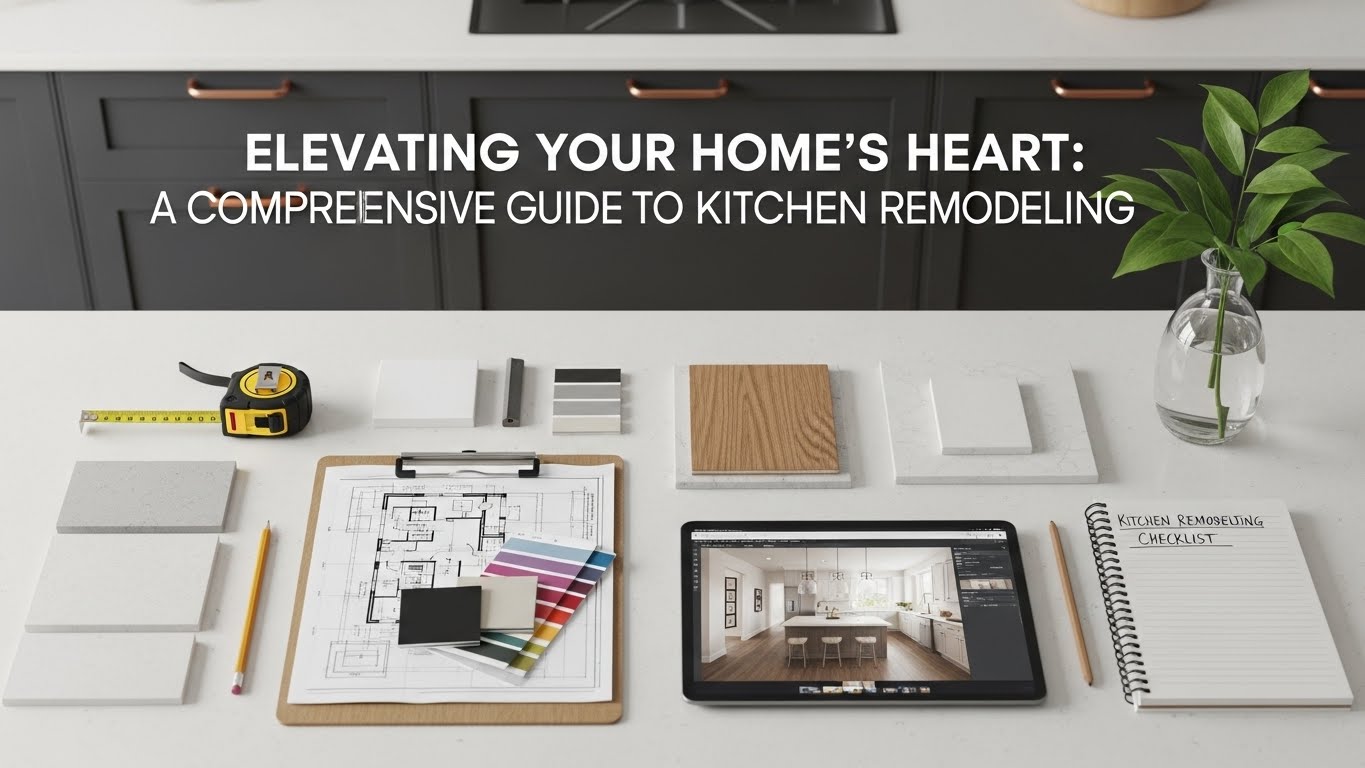
The kitchen has long been recognized as the heart of the home, serving as a space where meals are prepared, family gatherings occur, and memories are created. Because of its central role in daily life, undertaking a kitchen remodeling project can have a profound impact not only on the aesthetics of a home but also on its functionality, efficiency, and overall value. A well-executed kitchen remodeling effort goes beyond mere cosmetic improvements; it transforms the way a household functions, enhances comfort, and creates an environment that is both beautiful and practical.
Understanding the Importance of Kitchen Remodeling
Kitchen remodeling is an investment in your home’s most utilized space, offering benefits that extend far beyond appearance. While a visually appealing kitchen may impress visitors, a thoughtfully designed kitchen significantly enhances everyday functionality. It allows for better organization, easier movement, and more efficient meal preparation. A remodeled kitchen can resolve long-standing issues such as inadequate counter space, inefficient layout, or insufficient storage, turning a previously cumbersome space into a smooth-operating hub.
One of the most important aspects of kitchen remodeling is improving the layout to facilitate ease of use. The concept of the “work triangle,” which places the stove, sink, and refrigerator in a triangular configuration, has been a longstanding principle of kitchen design. This layout reduces unnecessary movement, streamlines workflow, and creates a more intuitive cooking environment. By carefully considering traffic patterns and the placement of appliances, a kitchen remodel can make daily cooking and entertaining activities more enjoyable and efficient.
Planning Your Kitchen Remodeling Project
Effective kitchen remodeling begins with thorough planning. Homeowners must first define their objectives for the space, considering both functional needs and stylistic preferences. Questions such as whether the goal is to create a modern, minimalist kitchen or a warm, traditional environment should guide every design decision. Similarly, determining whether additional storage, expanded countertops, or upgraded appliances are priorities ensures that the remodel aligns with the household’s lifestyle.
Budgeting is a critical component of the planning stage. Kitchen remodeling costs can vary widely depending on the materials selected, the scale of the project, and whether structural changes are required. Establishing a realistic budget early allows homeowners to prioritize expenditures while avoiding financial strain. Additionally, setting aside a contingency fund is advisable to cover unexpected costs that frequently arise during remodeling projects, such as hidden plumbing issues or delays in material delivery.
Choosing the right materials is another crucial element of kitchen remodeling. Countertops, cabinetry, flooring, and lighting all play significant roles in determining both the durability and aesthetics of the space. For countertops, materials such as granite, quartz, and marble offer a combination of elegance, resilience, and ease of maintenance. Cabinetry options vary from solid wood to engineered materials, each with different finishes and hardware choices to complement the overall design vision. Flooring options—including hardwood, tile, and vinyl must balance durability, comfort, and ease of cleaning to meet the demands of a busy kitchen environment.
Design Considerations in Kitchen Remodeling
The design phase of kitchen remodeling is where creativity merges with practicality. Successful kitchen designs balance functionality, aesthetics, and comfort. Open-concept kitchens are increasingly popular, as they create a sense of spaciousness and allow for seamless interaction between cooking, dining, and living areas. Incorporating islands, breakfast bars, or multi-functional counters provides additional workspace, storage, and seating, enhancing both the usability and social appeal of the kitchen.
Lighting is a vital consideration in kitchen remodeling. Proper lighting improves visibility for cooking tasks, highlights design features, and contributes to the overall ambiance. A layered lighting approach combining ambient, task, and accent lighting is particularly effective. For instance, under-cabinet lighting illuminates countertops for food preparation, pendant lights over an island create a visual focal point, and recessed ceiling lights provide general illumination throughout the space.
Optimizing storage solutions is another essential aspect of a functional kitchen remodel. Vertical storage, pull-out drawers, corner cabinets, and built-in organizers can dramatically improve efficiency. By carefully planning storage, homeowners can reduce clutter, improve access to kitchen tools, and create a clean, organized environment. Proper storage design is especially critical in smaller kitchens, where maximizing every inch of available space can make a substantial difference in daily convenience.
Appliances and Technology in Kitchen Remodeling
Upgrading appliances is a central component of any modern kitchen remodeling project. High-performance, energy-efficient appliances enhance convenience, reduce energy costs, and contribute to a cleaner, more sustainable kitchen. From refrigerators and ovens to dishwashers and cooktops, selecting appliances that align with your design goals and lifestyle is key. Integrated appliances that blend seamlessly with cabinetry are popular choices for creating a cohesive, streamlined look.
In addition to traditional upgrades, smart technology is increasingly incorporated into contemporary kitchen remodeling projects. Smart ovens, touchless faucets, app-controlled lighting, and other digital innovations add convenience and efficiency. Thoughtful integration of these technologies ensures the kitchen remains user-friendly while also providing modern functionality that can simplify meal preparation, energy management, and even home security.
Finishing Touches and Personalization
The final phase of kitchen remodeling involves selecting finishes and decorative elements that complete the transformation. Backsplashes, hardware, lighting fixtures, and wall treatments all contribute to the overall style and personality of the space. Choosing finishes that harmonize with cabinetry, countertops, and flooring ensures a cohesive and visually pleasing environment.
Personalization is essential for creating a kitchen that reflects the homeowner’s unique tastes and lifestyle. Open shelving to display favorite dishes, custom cabinetry to meet specific storage needs, or decorative elements that express personal style all help create a space that feels distinct and inviting. These finishing touches make the kitchen not only functional but also a space where the family and guests feel welcome and comfortable.
Challenges and Solutions in Kitchen Remodeling
While kitchen remodeling offers numerous benefits, it is not without challenges. Unexpected structural issues, delays in material delivery, and budget overruns are common hurdles. Careful planning, clear communication with contractors, and maintaining flexibility can help mitigate these challenges. Establishing a realistic timeline and having contingency plans ensures the project proceeds smoothly and remains manageable.
Balancing aesthetics with practicality can also be challenging. While a visually stunning kitchen may be appealing, it must also support efficient workflow and storage needs. Successful kitchen remodeling projects achieve a harmonious blend of beauty and functionality, ensuring that the space is both attractive and highly practical.
Long-Term Benefits of Kitchen Remodeling
Investing in kitchen remodeling provides long-term advantages that extend far beyond immediate improvements. A well-designed kitchen can significantly increase a home’s resale value, making it a sound financial investment. Moreover, upgrades that improve energy efficiency, storage capacity, and usability contribute to everyday convenience and comfort, enhancing overall quality of life.
A remodeled kitchen also encourages healthier cooking habits, supports family interaction, and creates a welcoming environment for entertaining. By integrating modern appliances, efficient layouts, and personalized design features, kitchen remodeling transforms the space into a hub of productivity, creativity, and enjoyment. It becomes a place where cooking, socializing, and relaxation seamlessly coexist, reinforcing the kitchen’s role as the heart of the home.
Conclusion
Kitchen remodeling is a comprehensive process that involves careful planning, creative design, and thoughtful execution. From improving functionality and optimizing storage to incorporating modern appliances and finishing touches, a successful remodel transforms a kitchen into a space that is both beautiful and practical. The benefits extend beyond immediate visual appeal, enhancing daily living, increasing home value, and creating a welcoming environment for family and guests. By approaching kitchen remodeling with a focus on both aesthetics and efficiency, homeowners can achieve a space that not only meets their current needs but also stands as a timeless centerpiece of the home.