









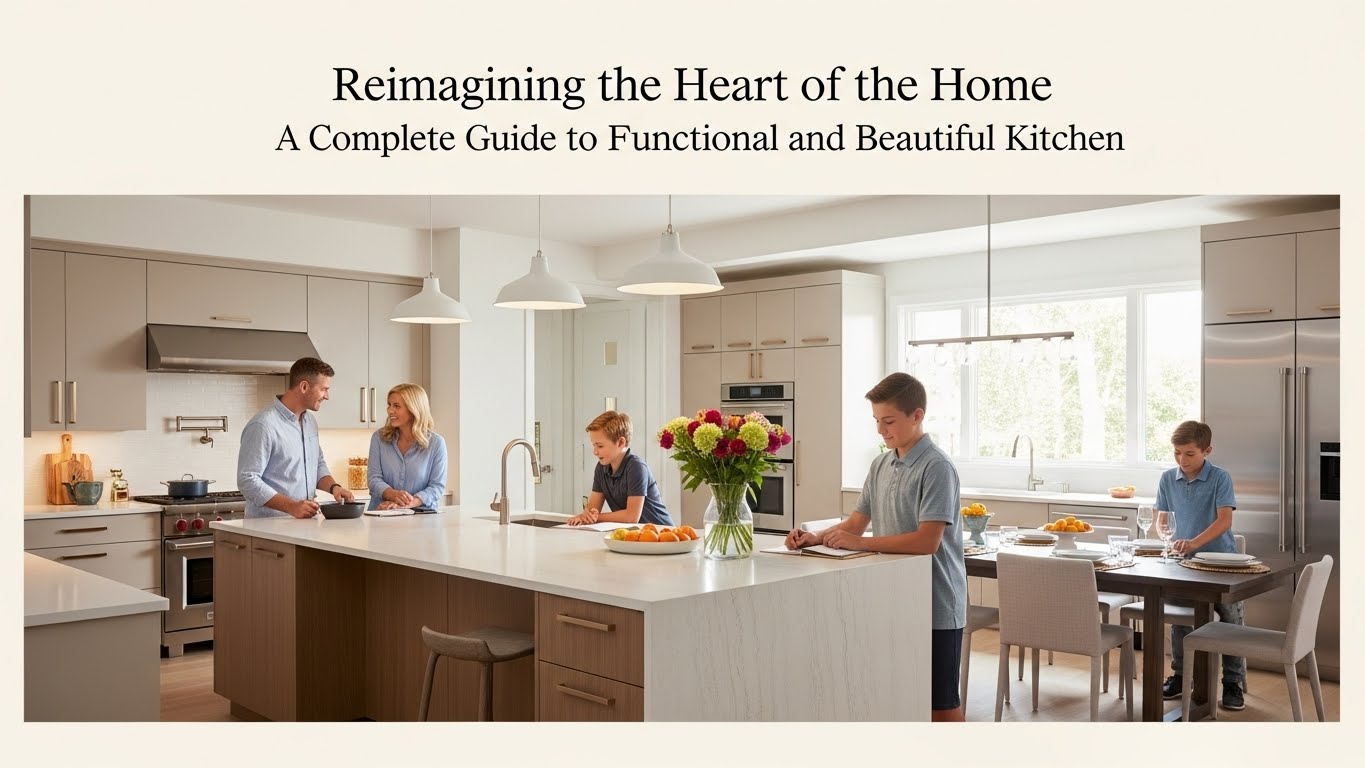
A kitchen is far more than a room where food is prepared. It is the central gathering place, the emotional anchor of the home, and a space where memories and conversations unfold. Because of this, renovating it requires thoughtful planning and a vision that aligns aesthetics with functionality. Today, homeowners view kitchen remodeling as an essential investment in comfort, efficiency, and style rather than just a cosmetic upgrade. When executed with care and purpose, a redesigned kitchen can significantly enhance both lifestyle and long-term property value.
Understanding Your Needs and Vision
Before selecting colors, materials, or appliances, the first step is to reflect on how the kitchen is currently used and what improvements could make life easier. Some people cook daily and require ample countertop space, while others enjoy entertaining and prefer a layout that accommodates social interaction. Understanding these patterns allows you to choose elements that genuinely improve your routine. A successful plan blends personal preference with practical necessity so the finished space feels intuitive, organized, and enjoyable for years to come.
Setting a Realistic Budget
Budget planning plays an important role in managing expectations and preventing unnecessary stress during the renovation. While inspiration photos might feature luxurious finishes, it is important to identify which upgrades matter most to you. For example, investing in durable countertops may be more beneficial than choosing the highest-end flooring. Similarly, if existing cabinets are structurally sound, refinishing them instead of replacing them could free up funds for new appliances.
Every renovation should include a contingency amount because unexpected issues structural repairs, plumbing updates, or electrical adjustments can arise. A smart budget gives you the freedom to blend beauty with practicality, ensuring your investment yields meaningful long-term value.
Designing the Ideal Layout
A functional layout is the foundation of every well-designed kitchen. The arrangement of the sink, oven, and refrigerator is traditionally based on the work triangle concept, which focuses on easy movement between the main workstations. However, modern design often uses work zones tailored to specific tasks such as prep, cooking, cleaning, and storage.
If structural changes are possible, removing outdated walls or adding an island can open the space and create better flow. An island can serve as additional prep space, a casual dining area, or even a storage hub. When the layout is designed with intention, the kitchen becomes more efficient and enjoyable to use.
Choosing Cabinetry That Combines Style and Function
Cabinetry is one of the most defining features of a kitchen. It influences storage capacity, overall style, and even how spacious the room feels. Homeowners today can choose from custom, semi-custom, and stock cabinets, each with different levels of flexibility and affordability.
Features such as pull-out drawers, deep storage compartments, spice organizers, soft-close hinges, and vertical dividers significantly improve user convenience. Whether you prefer minimalist designs or traditional wood finishes, high-quality cabinetry can last decades with proper care. The goal is to strike the right balance between visual appeal and practical efficiency.
Selecting Durable and Beautiful Countertops
Countertops endure constant use, making material selection a major decision. Quartz is popular for its durability, stain resistance, and design variety. Granite provides natural elegance, while butcher block adds warmth and character. Each material has unique benefits, and the right choice should match your cooking habits, maintenance preferences, and design goals.
It is also important to consider how countertops coordinate with cabinetry and flooring. A unified visual flow makes the kitchen feel cohesive and inviting. Whether you choose bold patterns or subtle tones, countertops contribute greatly to both functionality and aesthetics.
Upgrading Appliances for Modern Living
Appliances have become smarter, more efficient, and more aesthetically pleasing. Today’s homeowners can choose refrigerators with touchscreens, induction cooktops, convection ovens, and dishwashers that operate with minimal noise. Many appliances now include features such as remote monitoring, automated settings, and integration with smart home systems.
When selecting appliances, focus on your lifestyle rather than trends. A high-quality oven matters more to someone who cooks daily, while a large refrigerator may be ideal for a growing family. Incorporating energy-efficient appliances also reduces long-term utility costs, making them a wise investment.
Enhancing Ambience with Layered Lighting
Lighting dramatically affects the atmosphere and usability of the kitchen. A layered approach ensures that every part of the space is properly illuminated. Task lighting brightens countertops and sinks to enhance safety during cooking. Ambient lighting establishes general brightness and sets the tone of the room. Accent lighting can highlight decorative elements, architectural features, or display shelves.
Thoughtful lighting showcases the textures, colors, and finishes throughout the kitchen, making every detail more visually appealing. Without proper lighting, even the most beautiful materials can appear dull or lifeless.
Flooring That Blends Durability with Style
Kitchen flooring must endure heavy foot traffic, spills, and frequent cleaning. Tile remains a top choice for its strength and low maintenance. Hardwood adds warmth and timeless character, while luxury vinyl has become increasingly popular due to its water resistance, comfort, and affordability. Engineered wood offers a balance between durability and elegance.
The right flooring ties the room together visually while supporting everyday functionality. It should complement cabinets, countertops, and wall colors for a seamless aesthetic.
Establishing a Cohesive Color Palette
Color has the power to transform the personality of a kitchen. Neutral palettes create a timeless and calming atmosphere, while bold colors add energy and distinction. Finding a harmonious balance between cabinetry, flooring, countertops, and décor ensures visual unity throughout the space.
Backsplashes, hardware, lighting fixtures, rugs, and open shelving décor offer opportunities to introduce character without overwhelming the overall design. When chosen thoughtfully, these elements bring warmth, balance, and uniqueness to the kitchen.
Boosting Property Value Through Thoughtful Renovation
One of the biggest benefits of kitchen remodeling is its strong influence on property value. Potential buyers consistently prioritize updated kitchens, making them a major selling point in any home. A well-designed, modern kitchen can significantly increase resale appeal and help the property stand out in competitive markets.
Even if you don’t plan to sell soon, the investment enhances your daily life by creating a space that feels both luxurious and functional. Prioritizing lasting materials, timeless finishes, and practical design ensures the kitchen retains its charm and usefulness for many years.
Incorporating Eco-Friendly Elements
Sustainability plays an increasingly important role in modern remodeling decisions. Eco-friendly materials, energy-efficient appliances, water-saving faucets, and LED lighting contribute to a healthier home environment. These choices not only reduce environmental impact but can also lower utility costs.
Green design doesn’t mean sacrificing style. Many sustainable products come in a wide range of finishes and designs, allowing homeowners to create stunning kitchens while supporting environmentally responsible living.
Managing Renovation Timelines and Expectations
A kitchen transformation often requires temporary adjustments to daily routines. Planning ahead, establishing realistic timelines, and maintaining open communication with contractors helps reduce stress. Setting up a temporary meal prep area elsewhere in the home can make the process more manageable.
Renovations may take several weeks or months depending on the project’s complexity. Patience is essential, but the end result of a beautifully redesigned space makes the temporary inconvenience worthwhile.
Conclusion: Crafting a Space That Reflects Your Lifestyle
Ultimately, kitchen remodeling is not just about replacing old materials with new ones; it is an opportunity to create a room that truly reflects your lifestyle, preferences, and aspirations. When you combine smart planning with quality craftsmanship and thoughtful design, the result is a kitchen that enhances daily life, supports meaningful gatherings, and elevates the overall charm of your home.
A well-executed renovation blends beauty with functionality, transforming the kitchen into a space that feels both welcoming and inspiring. With careful decision-making and a clear vision, you can design a kitchen that becomes the heart of your home—one that brings joy, comfort, and lasting value for many years to come.