










The Importance of Travel Centers in the Transportation Industry
Travel centers have become essential hubs for modern transportation, catering to a wide range of needs for professional drivers, long-haul truck operators, and travelers. Unlike traditional service stations, travel centers provide a comprehensive array of services that extend beyond fuel, addressing operational, logistical, and personal requirements of drivers and passengers alike. They serve as safe, convenient stops along busy highways and transport routes, where drivers can rest, refuel, eat, and take care of vehicle maintenance. For trucking companies and fleet operators, travel centers play a pivotal role in ensuring operational efficiency, reducing downtime, and supporting adherence to hours-of-service regulations. These centers also contribute to overall safety on the roads, offering drivers secure parking, well-lit areas, and services that promote alertness and well-being during long journeys.
Comprehensive Services Offered by Travel Centers
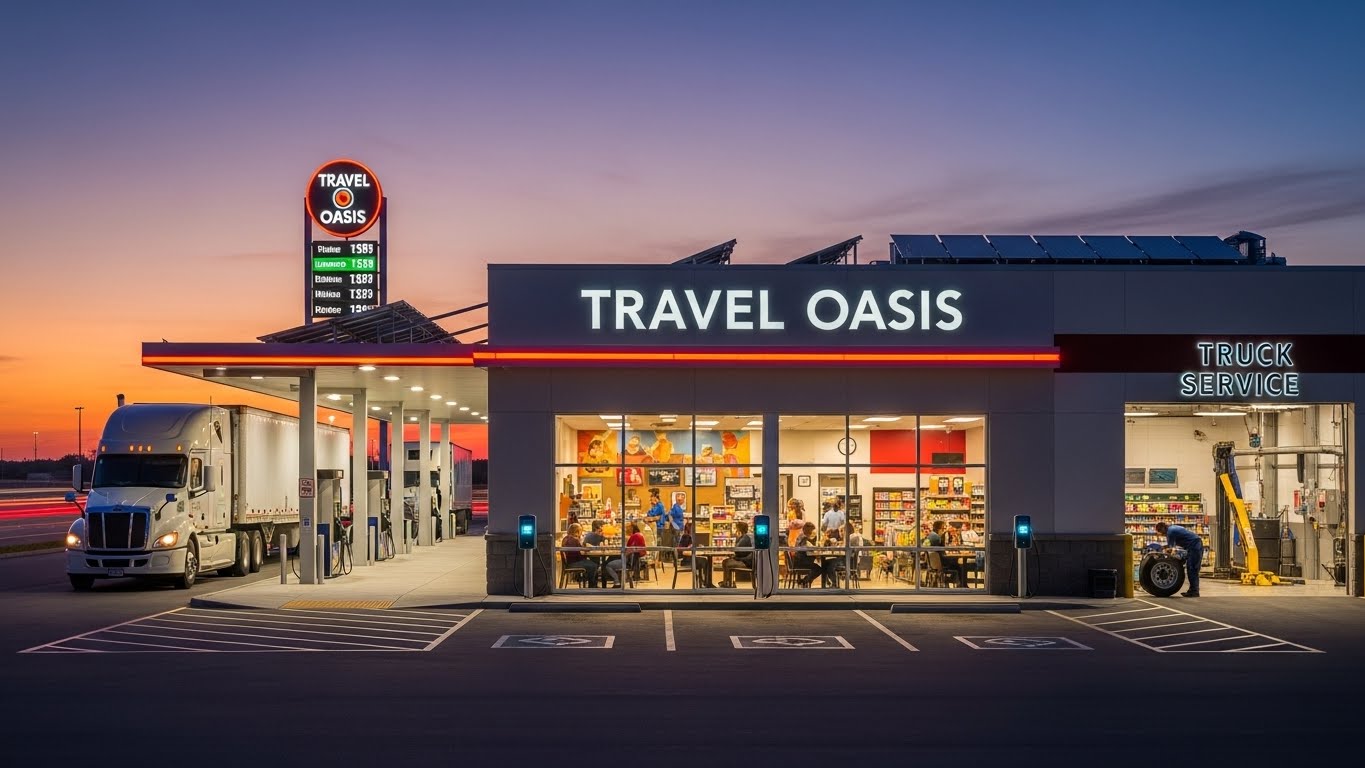
Modern travel centers have evolved far beyond basic fueling stations, offering a wide spectrum of services designed to meet the diverse needs of drivers. At their core, travel centers provide fuel for both trucks and personal vehicles, often including diesel, gasoline, and increasingly, alternative energy sources such as electric vehicle charging stations. Beyond fuel, travel centers typically feature convenience stores stocked with groceries, snacks, beverages, and travel essentials, ensuring that drivers can acquire necessities without leaving the premises. Restaurants and fast-food outlets provide access to nutritious meals, coffee, and refreshments, which are critical for maintaining energy levels during long trips. Many travel centers also include shower facilities, laundry services, rest lounges, and sleeping accommodations to help drivers comply with rest requirements while maintaining comfort. Mechanical services, such as tire repairs, oil changes, and engine diagnostics, are often available on-site, reducing the need for additional stops and minimizing operational disruptions.
Rest and Safety: A Core Function of Travel Centers
Rest and safety are among the most important functions of travel centers. Trucking and long-distance driving can be physically and mentally taxing, with drivers spending countless hours behind the wheel. Travel centers provide secure, monitored parking areas that allow drivers to take mandatory breaks, sleep, and recuperate safely. Many facilities offer well-lit parking lots, security patrols, and gated areas to ensure protection against theft, vandalism, and accidents. Comfortable sleeping areas, rest lounges, and shower facilities enable drivers to maintain personal hygiene and well-being, contributing to alertness and overall safety on the road. By prioritizing rest and security, travel centers play a direct role in reducing fatigue-related accidents, improving driver performance, and supporting compliance with safety regulations that govern driving hours and vehicle operation.
Economic and Operational Benefits of Travel Centers
Travel centers are not only beneficial for individual drivers but also serve as strategic assets for logistics companies and fleet operators. By providing a one-stop location for fuel, meals, rest, and minor repairs, these centers help reduce downtime and improve overall operational efficiency. Fleet operators can plan routes around travel centers, ensuring that drivers have access to necessary services without disrupting delivery schedules. From an economic perspective, travel centers generate revenue through multiple streams, including fuel sales, dining, retail, and vehicle services. This diversified model allows travel centers to remain financially viable while supporting the trucking and transportation industries. Additionally, travel centers often create employment opportunities in food service, retail, maintenance, and administration, contributing to local and regional economies while supporting the logistics ecosystem.
Technological Innovations in Travel Centers
The evolution of travel centers has been heavily influenced by technology, enhancing convenience, efficiency, and service quality for drivers. Many travel centers now incorporate high-speed internet access, mobile app integrations for parking and fuel reservations, and digital payment options for all transactions. Automated fueling systems, fleet management tools, and real-time monitoring of vehicle maintenance needs are increasingly common, enabling fleet operators to track fuel consumption, schedule service, and optimize routes efficiently. Some travel centers even offer smart facilities, such as automated rest pod reservations, telematics-enabled parking guidance, and predictive maintenance alerts, improving overall operational efficiency. These technological advancements ensure that travel centers meet the growing demands of modern drivers while maintaining high standards of service and convenience.
Community and Networking Opportunities at Travel Centers
Beyond functional services, travel centers serve as informal networking hubs for drivers and travelers. These centers often become meeting points where long-haul drivers share information about road conditions, traffic patterns, weather alerts, and construction updates. The social dimension of travel centers provides drivers with opportunities to connect, exchange insights, and maintain morale during solitary or demanding workdays. Some travel centers host organized events, training sessions, and community initiatives that support driver well-being, professional development, and peer engagement. This sense of community fosters collaboration and enhances knowledge sharing, which can improve safety, operational efficiency, and driver satisfaction. In many ways, travel centers act as both logistical support hubs and social environments that contribute to the overall well-being of the professional driving community.
Challenges Faced by Travel Centers
Despite their numerous benefits, travel centers face a range of challenges that impact operations and service quality. One major challenge is space management, particularly during peak travel periods when parking availability can become limited, creating logistical bottlenecks and safety concerns. Maintaining infrastructure, including fueling systems, restrooms, dining areas, and mechanical service equipment, requires continuous investment and attention to ensure reliability. Travel centers must also navigate fluctuating fuel prices, rising operational costs, and regulatory compliance related to safety, health, and environmental standards. Additionally, the growing demand for sustainable practices, including renewable energy adoption, water conservation, and waste reduction, places additional operational pressure on travel center management. Addressing these challenges requires strategic planning, careful investment, and continuous adaptation to meet the evolving needs of drivers and the transportation industry.
Travel Centers and Fleet Optimization
For fleet operators, travel centers are critical to route planning, fuel management, and operational coordination. Dedicated lanes for commercial vehicles, priority fueling services, and access to mechanical maintenance allow fleet operators to manage large numbers of trucks efficiently. Travel centers often integrate with fleet management software, enabling operators to monitor fuel usage, track maintenance schedules, and optimize rest breaks for drivers. This integration not only reduces downtime but also enhances operational efficiency by providing real-time insights into vehicle health, fuel consumption patterns, and route performance. The ability to coordinate services through travel centers ensures that drivers can maintain compliance with regulations, reduce operational delays, and sustain high levels of productivity across large fleets.
Environmental Considerations in Travel Centers
Sustainability has become an increasingly important factor in the operation of travel centers. Well-maintained centers reduce environmental impact by promoting fuel efficiency, recycling waste materials, and using energy-efficient equipment. Some travel centers incorporate renewable energy sources such as solar panels, water recycling systems, and low-energy lighting to minimize carbon footprints. Electric vehicle charging stations and infrastructure for alternative fuels are also becoming more common, supporting cleaner transportation solutions. By adopting environmentally responsible practices, travel centers contribute to broader sustainability initiatives while complying with governmental regulations and meeting the expectations of drivers and companies that prioritize green logistics practices.
The Future of Travel Centers
The future of travel centers is closely tied to advancements in technology, changing transportation trends, and evolving driver needs. Increasing adoption of electric vehicles, autonomous trucks, and alternative fuel solutions will require significant infrastructure updates, including charging stations and specialized maintenance facilities. Smart technologies, predictive analytics, and digital platforms will continue to streamline operations, allowing drivers to plan stops more effectively and reduce downtime. Travel centers are also expected to place greater emphasis on sustainability, integrating energy-efficient systems, renewable power, and eco-friendly amenities. Despite these changes, the core functions of travel centers providing fuel, rest, nourishment, safety, and support services will remain central to their role in the transportation ecosystem, ensuring that both drivers and fleets can operate efficiently and reliably.
Conclusion: The Enduring Value of Travel Centers
Travel centers are more than just stopping points along highways; they are vital components of the transportation and logistics infrastructure. By providing fuel, meals, rest, mechanical services, and modern technological solutions, travel centers ensure that drivers can maintain safety, efficiency, and compliance with regulatory requirements. They also offer community and networking opportunities, support fleet optimization, and contribute to economic and environmental sustainability. As the transportation industry evolves, travel centers will continue to adapt, integrating advanced technologies, alternative fuel infrastructure, and innovative services to meet the changing needs of drivers and fleets. Their enduring value lies in their ability to combine operational support, driver well-being, and logistical efficiency, making them indispensable hubs in the modern transportation ecosystem.